 Ha Stone
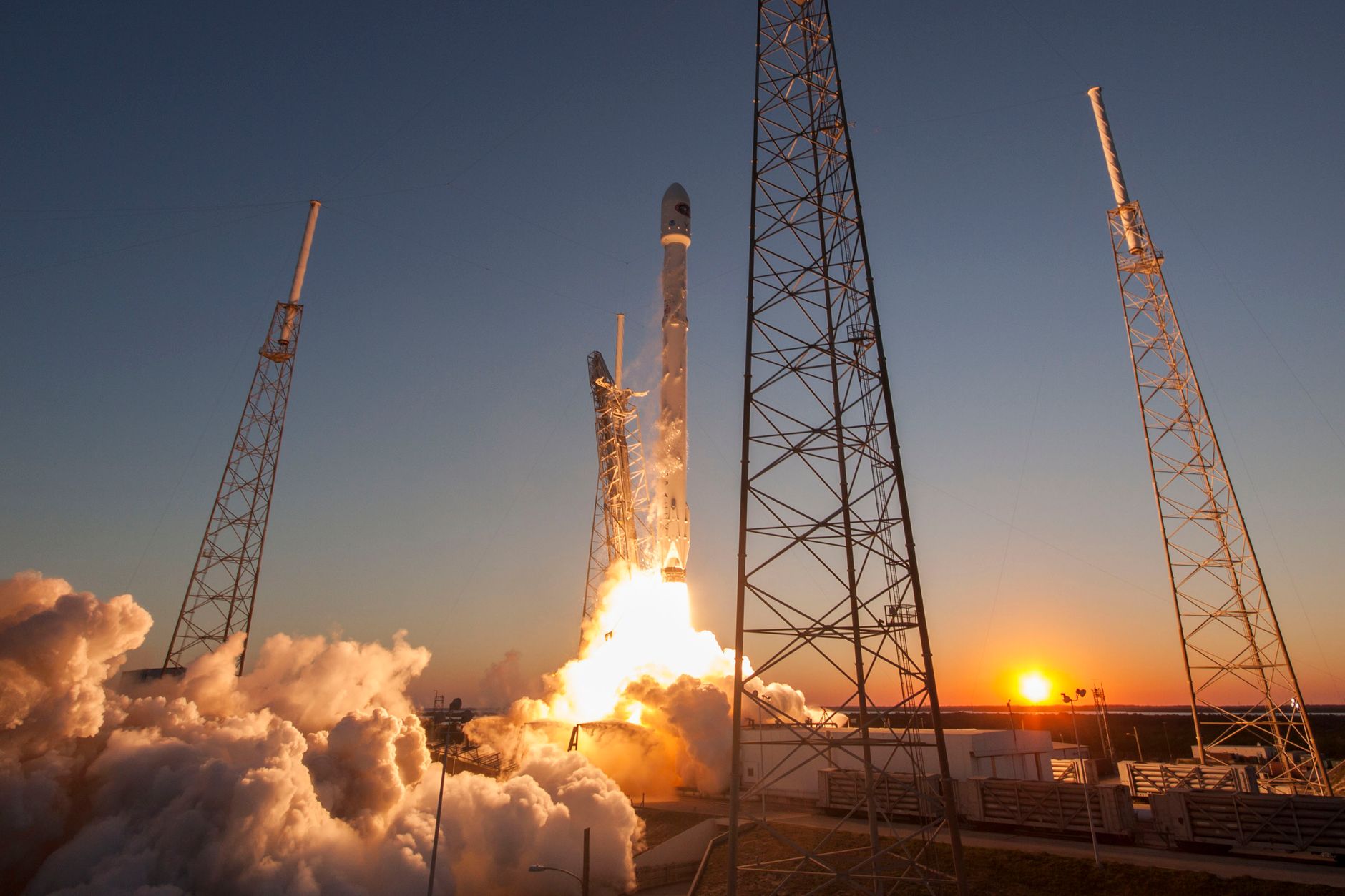
SpaceX Starship launch marks a historic moment in space exploration. This event showcases the advancements in rocket technology and the potential for future missions.
Overview of SpaceX Starship
SpaceX has made headlines once again with the launch of its Starship, marking a significant milestone in space exploration. The SpaceX Starship launch was the first flight of this ambitious rocket designed to carry humans and cargo to various destinations beyond Earth, including Mars. This launch demonstrates SpaceX’s commitment to reducing the cost of space travel and making it accessible to more people.
The Starship is notable for its:
- Fully reusable design: Unlike previous rockets, the Starship is built to be reused multiple times, which can drastically lower launch costs.
- Massive payload capacity: It can carry a significant amount of cargo, making it suitable for various missions, including deep space exploration.
- Innovative technology: The rocket features advanced engines and materials, enhancing its performance and reliability.
As the world watches, the success of this inaugural flight could pave the way for future missions and redefine the landscape of space travel.
Significance of the Launch
The recent SpaceX Starship launch marks a pivotal moment in the evolution of space exploration. This mission not only showcases the technological advancements achieved by SpaceX but also sets a new benchmark for future orbital flights.
Several factors contribute to the significance of this launch:
- Technological Innovation: The Starship represents a leap in rocket design and engineering, promising increased payload capacity and reusability.
- Cost Reduction: By optimizing production and reusability, SpaceX aims to lower the costs associated with space travel, making it more accessible for various missions.
- Mission Objectives: The launch is a critical step towards future manned missions to the Moon and Mars, aligning with NASA’s Artemis program and SpaceX’s long-term goals.
- Commercial Opportunities: The success of the Starship launch opens doors for commercial satellite deployment and interplanetary travel, potentially revolutionizing the space industry.
In summary, the SpaceX Starship launch could very well be the best orbital flight yet, paving the way for unprecedented advancements in space exploration.
Technical Specifications of Starship
The SpaceX Starship is designed to be a fully reusable spacecraft capable of carrying both crew and cargo to a variety of destinations, including Mars. Its technical specifications highlight its innovative engineering and advanced technology.
Key features of the Starship include:
- Height: Approximately 120 meters when stacked with the Super Heavy booster.
- Payload Capacity: Up to 100 metric tons to Low Earth Orbit (LEO).
- Engines: Equipped with six Raptor engines for the Starship, providing substantial thrust for orbital maneuvers.
- Materials: Constructed from stainless steel, which enhances durability and thermal protection.
- Landing System: Features a unique flip maneuver for a precise landing, whether on land or water.
These specifications underscore why the SpaceX Starship launch is considered a pivotal moment in space exploration, pushing the boundaries of what is possible for future missions.
Future Missions for SpaceX
As SpaceX looks to build on the success of the recent launch, the company has ambitious plans for future missions involving the Starship. The innovative spacecraft is designed to carry out a range of activities that extend beyond traditional satellite launches.
Future missions for the SpaceX Starship may include:
- Interplanetary Travel: SpaceX aims to utilize Starship for crewed missions to Mars, marking a significant step in human exploration of the Red Planet.
- Lunar Landings: The spacecraft is expected to play a crucial role in NASA’s Artemis program, helping to return humans to the Moon.
- Space Tourism: With its large capacity, Starship could pave the way for commercial space travel, offering civilians a chance to experience space.
- Satellite Deployment: The vehicle is also poised to support the deployment of a new generation of satellites, enhancing global connectivity.
The successful SpaceX Starship launch has set the stage for these exciting future missions, showcasing the potential of reusable technology in space exploration.
Public Reaction to the Launch
The recent SpaceX Starship launch has generated a wave of excitement and discussion among space enthusiasts and the general public alike. Social media platforms have been flooded with reactions, as thousands tuned in to witness this monumental event. Many viewers expressed their awe at the rocket’s impressive ascent, capturing the attention of both seasoned space watchers and casual observers.
In particular, users praised the innovative design and sheer scale of the Starship, noting its potential for future missions beyond Earth. Comments highlighted how the launch represents a significant step forward in space exploration, with many calling it “the best orbital flight yet.”
However, reactions were not exclusively positive. Some critics pointed out the challenges that still lie ahead for SpaceX, emphasizing the need for rigorous testing and safety protocols. Still, the overwhelming sentiment leaned towards optimism, as people shared their hopes for the future of space travel and exploration.
- “A historic moment for humanity,” one user tweeted.
- “Can’t wait to see what comes next!” another commented.
Comparing Starship to Other Rockets
When evaluating the SpaceX Starship launch, it is essential to compare it with other notable rockets from the past and present. Each rocket has its unique features and capabilities that contribute to their respective missions.
Here are some key comparisons:
- Saturn V: The iconic rocket that took astronauts to the Moon during the Apollo missions remains unmatched in its payload capacity and reliability, yet it lacks the reusability that defines modern space travel.
- Space Shuttle: Known for its versatility, the Space Shuttle could carry astronauts and cargo alike. However, its complex design and high operational costs presented significant challenges.
- Ariane 5: As a workhorse for launching satellites, Ariane 5 boasts impressive success rates, but does not match the ambitious goals of the Starship, particularly in terms of interplanetary travel.
- SLS (Space Launch System): Developed for deep space exploration, the SLS is powerful but has faced delays and budget overruns, raising questions about its effectiveness compared to the Starship’s streamlined approach.
Ultimately, the SpaceX Starship launch stands out for its innovative design and potential for reusability, marking a significant step forward in orbital flight capabilities.
Challenges Faced During Launch
The recent SpaceX Starship launch was not without its challenges, highlighting both the complexities of space travel and the ambitious goals of the company. Throughout the preparation and execution phases, several obstacles emerged that tested the resilience of the team.
- Weather Conditions: Unfavorable weather prior to the launch caused delays, forcing the team to adjust their timeline and plans.
- Technical Glitches: During the countdown, minor technical issues arose, necessitating last-minute fixes that put additional pressure on the crew.
- Regulatory Hurdles: Navigating the regulatory landscape proved challenging, as SpaceX worked to ensure compliance with safety and environmental standards.
- Public Scrutiny: The high-profile nature of the launch attracted significant media attention, increasing pressure on SpaceX to perform flawlessly.
Despite these hurdles, the SpaceX Starship launch ultimately demonstrated the company’s ability to overcome adversity and push the boundaries of space exploration.
What’s Next for Space Exploration?
The recent SpaceX Starship launch marks a pivotal moment in space exploration, setting the stage for future missions that could redefine our journey beyond Earth. As the aerospace community analyzes the outcomes, several key initiatives are emerging on the horizon.
First, SpaceX plans to leverage the data collected during the Starship launch to enhance the rocket’s performance for subsequent flights. This iterative approach may lead to improvements in safety and efficiency, ultimately benefiting future crewed missions to the Moon and Mars.
Additionally, international collaboration is likely to expand as other countries observe the advancements made through the Starship program. Partnerships may emerge to share resources and technology, further accelerating exploration efforts.
Finally, the potential for commercial ventures in space travel appears promising. With the success of the SpaceX Starship launch, private companies may feel encouraged to invest in their own space missions, fostering a new era of innovation in the space industry.
By Charles Boyer via Openverse