 Ha Stone
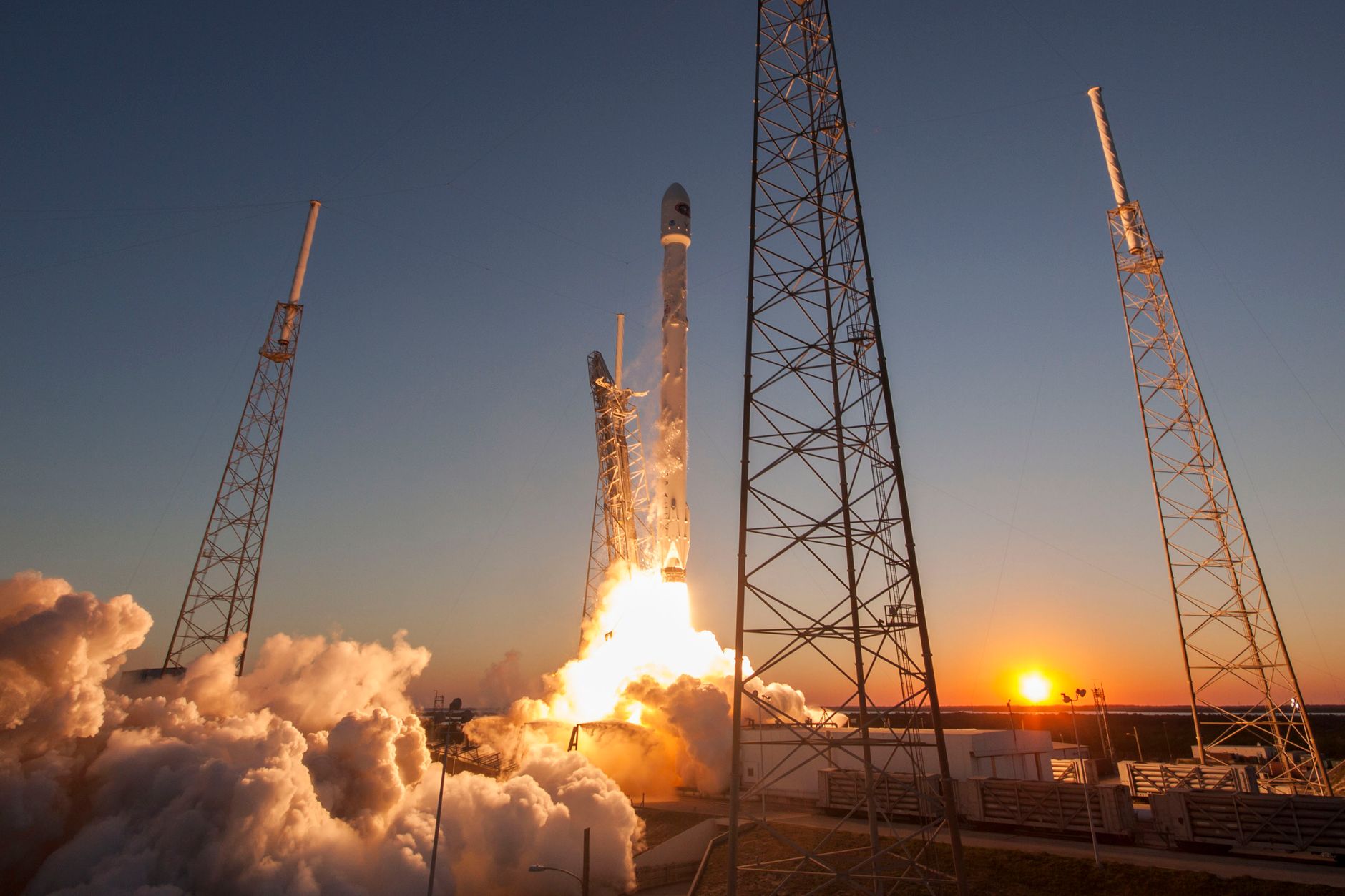
Starship enters orbit successfully, deploying its SpaceX satellite payload. This achievement showcases the advancements in space technology and the potential for future missions.
What is Starship?
Starship is a fully reusable spacecraft developed by SpaceX, designed to carry both crew and cargo to a variety of destinations, including the Moon and Mars. This ambitious project aims to revolutionize space travel by significantly reducing costs and increasing the frequency of launches.
With a height of 120 meters and a payload capacity of over 100 metric tons to low Earth orbit, Starship is the largest and most powerful rocket ever built. It is powered by the Raptor engine, which utilizes liquid methane and liquid oxygen, allowing for more sustainable fuel options during deep-space missions.
On its recent mission, Starship successfully enters orbit and deployed its SpaceX satellite payload, marking a significant milestone for the company. This successful launch showcases not only the capabilities of the spacecraft but also SpaceX’s commitment to advancing space exploration technology.
In addition to its impressive specifications, Starship is intended to be a key component in SpaceX’s plans for colonizing Mars and establishing a human presence on other celestial bodies, making it a pivotal development in the future of interplanetary travel.
The significance of this launch
The successful launch of Starship into orbit marks a pivotal moment in space exploration and commercial spaceflight. This achievement not only demonstrates the technological advancements made by SpaceX but also sets the stage for future missions beyond Earth.
With Starship entering orbit, several key implications arise:
- Increased Access to Space: This launch paves the way for more frequent and cost-effective missions, making space more accessible to various industries.
- Future Mars Missions: The successful deployment of Starship into orbit is a significant step towards SpaceX’s long-term goal of sending humans to Mars.
- Satellite Deployment: Starship’s capability to carry large payloads enhances satellite deployment strategies, which is crucial for global communication and Earth observation.
- Inspiration for Innovation: The success of this launch may inspire other companies and governments to invest in their own space programs, further driving innovation in the aerospace sector.
As Starship enters orbit, the implications of this launch extend beyond SpaceX, potentially ushering in a new era for space exploration and commercial endeavors.
How did Starship perform?
The recent launch of SpaceX’s Starship has garnered significant attention, especially as the spacecraft successfully enters orbit. This milestone marks a pivotal moment in the company’s journey towards commercial space travel and exploration.
During the mission, Starship demonstrated exceptional performance, achieving several key objectives:
- Launch Sequence: The rocket lifted off smoothly from its launch pad, showcasing the improvements made since previous test flights.
- Orbital Insertion: Starship successfully executed its orbital insertion burn, confirming its ability to reach and maintain orbit.
- Payload Deployment: The spacecraft effectively deployed its SpaceX satellite payload, which is crucial for future communication networks.
The success of this launch has sparked discussions among experts and enthusiasts alike about its implications for future space missions. Many are already considering whether this could be the best SpaceX launch ever, given Starship’s impressive capabilities and performance metrics.
With Starship now having entered orbit, the possibilities for future missions and innovations in space technology appear to be limitless.
Future missions for SpaceX
Following the successful launch where Starship enters orbit, SpaceX has outlined several ambitious future missions that could redefine space exploration. These upcoming missions aim to leverage the capabilities demonstrated during the recent launch.
- Moon Missions: SpaceX plans to support NASA’s Artemis program, which aims to return humans to the Moon by the mid-2020s. Starship will serve as a lunar lander, transporting astronauts and supplies.
- Mars Colonization: One of the primary goals for SpaceX is to establish a human settlement on Mars. With the successful orbital flight, the company is one step closer to realizing this vision.
- Satellite Deployment: Starship will also be instrumental in deploying large constellations of satellites for global internet coverage, enhancing connectivity around the world.
- Interplanetary Missions: Future missions could include deep space exploration, such as sending probes to other celestial bodies or even crewed missions beyond Mars.
With the recent advancements, SpaceX is poised to pursue these goals, potentially reshaping humanity’s presence in space.
Challenges faced during launch
The journey of the Starship as it enters orbit was not without its challenges. SpaceX engineers faced a number of technical hurdles leading up to the launch, which required innovative solutions and quick thinking.
- Communication Issues: During the countdown, there were instances of disrupted communication signals, which raised concerns about the coordination between ground control and the spacecraft.
- Fuel Management: Ensuring that the rocket had the right amount of fuel was critical. Engineers worked tirelessly to optimize the fuel loading process to prevent any potential hazards.
- Weather Conditions: The launch window was threatened by unpredictable weather patterns. High winds and cloud cover posed significant risks, but teams were able to monitor and adapt to the changing conditions.
- System Checks: Before liftoff, extensive system checks were necessary to confirm that all components were functioning properly, which led to some delays but ultimately ensured the safety of the mission.
Despite these obstacles, Starship successfully enters orbit, marking a remarkable achievement for SpaceX and paving the way for future exploration.
Public reaction to the success
The successful launch of Starship has elicited a wave of excitement and enthusiasm from the public and space enthusiasts around the globe. Many took to social media to express their feelings about this groundbreaking achievement, with comments highlighting the significance of the moment.
Responses ranged from awe to inspiration, with a number of users praising the engineering marvel that is Starship. Some notable reactions include:
- “This is a historic moment for space exploration!” – A common sentiment echoed across various platforms.
- “Starship entering orbit proves what humanity can achieve when we dream big.” – A reminder of the ambitious vision behind SpaceX.
- “I can’t believe I witnessed Starship’s launch live!” – Many fans tuned in to watch the event unfold in real-time.
As the excitement continues to build, people are already speculating about the future of space travel. With Starship entering orbit successfully, the conversation around its potential has only intensified, inviting more discussions about upcoming missions and further advancements in aerospace technology.
Technical details of the satellite deployment
During the historic launch, the Starship successfully entered orbit and demonstrated remarkable technical capabilities in satellite deployment. The mission involved deploying a payload of multiple satellites into a designated orbit, showcasing the vehicle’s advanced engineering.
The key technical details of the satellite deployment included:
- Payload Capacity: Starship can carry up to 100 metric tons to low Earth orbit, enabling the launch of numerous satellites in a single mission.
- Deployment Mechanism: The satellites were released using a precision deployment system that ensures optimal placement and trajectory.
- Orbit Insertion: After reaching the desired altitude, Starship executed a series of controlled burns to place the satellites into their intended orbits.
- Telemetry Data: Continuous data transmission during the deployment provided real-time insights into the operation and confirmed successful satellite separation.
This successful deployment is a testament to the technological advancements of the Starship program and its potential for future missions, underscoring SpaceX’s position at the forefront of aerospace innovation.
What’s next for SpaceX?
As SpaceX celebrates the successful milestone of its Starship entering orbit, the company is already looking to the future. With the recent launch demonstrating unprecedented capabilities, several ambitious missions are on the horizon.
One of the primary objectives is to further develop the Starship program, focusing on:
- Lunar Missions: Collaborating with NASA, SpaceX aims to use Starship for crewed lunar landings as part of the Artemis program.
- Martian Exploration: Plans are in place to utilize Starship for missions to Mars, including crewed flights intended to establish a human presence on the Red Planet.
- Satellite Deployments: Following the recent success, SpaceX will continue to deploy satellites for its Starlink internet constellation, enhancing global connectivity.
- Interplanetary Travel: The long-term vision includes utilizing Starship for deep space travel, making interplanetary journeys more accessible.
With Starship entering orbit, SpaceX is poised to revolutionize space travel, paving the way for advancements that could redefine our understanding of the cosmos.
The successful moment when Starship enters orbit marks a significant milestone in SpaceX’s ambitious plans for space exploration. Many experts are debating whether this achievement makes it the best SpaceX launch ever.
By jurvetson via Openverse