 Ha Stone
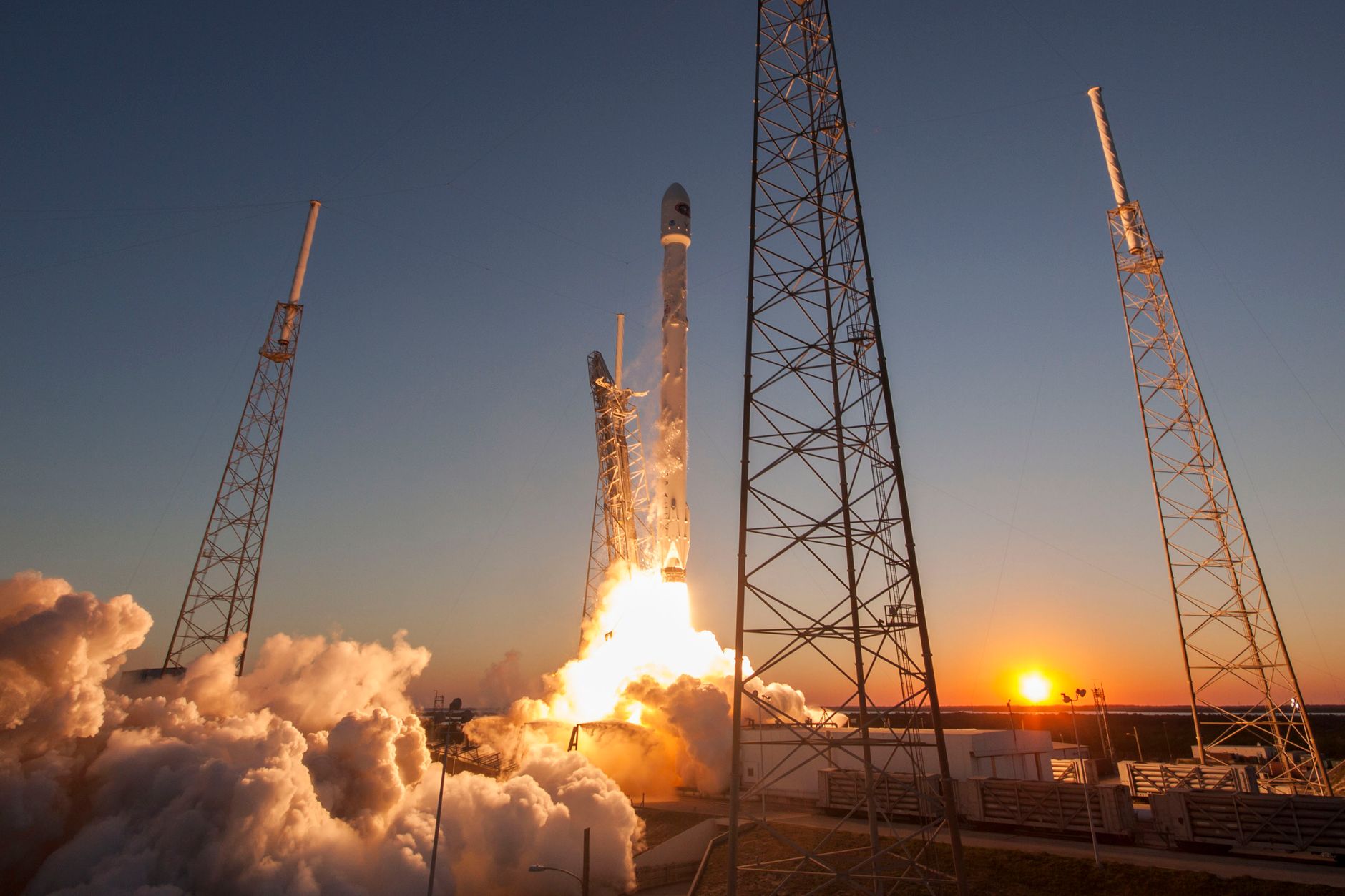
China rocket launch has taken the world by surprise with four rockets launched in just 45 hours, showcasing an unprecedented satellite blitzkrieg in space.
Overview of China’s Recent Rocket Launches
China’s recent rocket launches have captured global attention, showcasing the nation’s rapidly advancing space capabilities. In an astonishing display of efficiency, China successfully launched four rockets within a mere 45 hours, overwhelming observers and analysts worldwide. This remarkable feat has been referred to as an “unprecedented satellite blitzkrieg” by Indian media, highlighting the strategic implications of such a swift and coordinated effort.
The launches were part of China’s ongoing push to expand its presence in space, with the country actively deploying satellites for various purposes, including communication, Earth observation, and military applications. Each rocket launch was meticulously planned and executed, demonstrating China’s commitment to achieving space dominance.
- Launch Schedule: The series of launches occurred in quick succession, reflecting China’s determination to enhance its satellite infrastructure.
- Technological Advancements: Innovations in rocket technology have allowed for more efficient and reliable launches.
- Strategic Importance: These rocket launches underscore China’s ambition to establish a leading position in the global space race.
As the world watches, China’s rocket launch activities continue to set the pace for future endeavors in space exploration and utilization.
Impact on Global Space Race
The recent series of rocket launches by China has sent shockwaves through the international community, underscoring the nation’s rapid advancements in space technology. This unprecedented display of capability, described as a “satellite blitzkrieg” by Indian media, has significant implications for the global space race.
China’s rocket launch strategy demonstrates a commitment to not only expanding its satellite network but also establishing a dominant presence in space. The implications of this strategy can be observed in several key areas:
- Geopolitical Tensions: China’s aggressive launch schedule may heighten tensions with other nations, especially those vying for supremacy in space.
- Technological Advancements: The rapid development of reliable launch systems may inspire other countries to accelerate their own space programs.
- Economic Opportunities: A robust space program can lead to economic benefits through satellite services, research, and international collaborations.
- Environmental Concerns: Increased rocket launches can raise questions about the environmental impact of space debris and the sustainability of space exploration.
As countries like the United States and those in Europe reassess their strategies in the face of China’s rocket launch achievements, the dynamics of the global space race are clearly shifting.
Analysis of Satellite Capabilities
The recent series of rocket launches by China has drawn significant attention from global observers, particularly regarding the country’s satellite capabilities. With the successful launch of four rockets in just 45 hours, experts are analyzing the implications of this rapid deployment.
China’s advancements in satellite technology can be attributed to several key factors:
- Increased Investment: The Chinese government has heavily invested in research and development, paving the way for enhanced satellite capabilities.
- Technological Innovation: Continuous improvements in manufacturing processes have allowed for the production of more reliable and efficient satellites.
- Strategic Partnerships: Collaborations with international organizations have facilitated knowledge transfer, boosting China’s space program.
These factors contribute to China’s ability to launch multiple satellites rapidly, marking a significant shift in the global space landscape. As the nation aims for space dominance, the frequency and reliability of its rocket launches are crucial. The latest China rocket launch series is not just a demonstration of technical prowess but also a strategic move to assert its position in the ongoing global space race.
Reactions from Indian Media
The recent series of rocket launches by China has garnered significant attention from Indian media, reflecting a mixture of astonishment and concern over the nation’s rapid advancements in space technology. Following the launch of four rockets in just 45 hours, several prominent Indian news outlets have described the event as an “unprecedented satellite blitzkrieg.” This terminology underscores the speed and efficiency with which China is executing its space agenda.
Among the reactions, analysts have pointed out that such a vigorous pace in rocket launches could alter the dynamics of the space race. Some experts argue that this could lead to a recalibration of strategies among neighboring countries, including India, as they strive to keep pace with China’s ambitions. The implications of this quick succession of launches are profound, as they not only showcase China’s technological prowess but also highlight the pressing need for India to bolster its own space capabilities.
- Indian media outlets expressed shock at the scale of China’s operations.
- Concerns were raised about the strategic implications for national security.
- Experts called for a review of India’s space policies in light of the recent China rocket launch.
Future Implications for Space Exploration
The recent China rocket launch activities have significant implications for the future of space exploration. As nations race to establish their presence beyond Earth, China’s rapid advancements may reshape international collaborations and competitions in this domain.
Experts believe that the surge in China’s rocket launches could prompt other countries to accelerate their own space programs. This could lead to:
- Increased Investments: Governments may prioritize funding for space exploration, aiming to keep pace with China’s achievements.
- Technological Innovations: The competition may drive breakthroughs in rocket technology and satellite capabilities, enhancing global access to orbit.
- Collaborative Missions: Nations may seek partnerships to share resources and knowledge, fostering a more cooperative approach to space exploration.
- Regulatory Challenges: As more entities enter the space arena, establishing regulations to manage orbital traffic and prevent conflicts will become crucial.
In conclusion, the implications of China’s recent rocket launches extend far beyond national boundaries. They signal a shift towards a more dynamic and interconnected space exploration landscape, where the stakes are higher than ever.
Technological Innovations Behind the Launches
The recent China rocket launch initiatives have showcased an array of technological innovations that underline the country’s ambition in space exploration. These advancements not only enhance the efficiency of launches but also expand the capabilities of payloads delivered into orbit.
Key innovations include:
- Reusable Rocket Technology: China has made significant strides in developing rockets that can be reused for multiple missions, reducing costs and increasing launch frequency.
- Advanced Propulsion Systems: The incorporation of new propulsion technologies allows rockets to achieve higher thrust and improved energy efficiency, enabling more complex missions.
- Satellite Deployment Mechanisms: Innovative methods for deploying satellites have been implemented, allowing for faster and more precise placement into designated orbits.
- Integration of AI: Artificial intelligence plays a crucial role in optimizing flight paths and monitoring systems in real-time, ensuring missions are conducted smoothly.
These technological advancements not only enhance China’s current capabilities but also position the nation as a formidable player in the global space landscape. As the pace of development accelerates, the implications for international collaboration and competition in space exploration continue to evolve.
Comparative Launch Frequencies by Other Nations
The recent surge in China rocket launch activities has sparked interest in how other nations are keeping pace in the competitive arena of space exploration. A comparative analysis reveals varying launch frequencies among leading space-faring nations.
- United States: The U.S. has maintained a robust launch schedule, averaging around 50 launches per year. This includes both government and commercial missions, with a focus on advancing technology and exploring Mars.
- Russia: Historically a pioneer in space, Russia has seen a decrease in its launch frequency, averaging about 25 launches annually. Budget constraints and aging infrastructure have impacted their capacity.
- India: India’s space agency, ISRO, has been gaining momentum with an average of 8 to 10 launches per year. Their focus on cost-effective missions has made significant strides in satellite deployment.
- European Space Agency: ESA typically conducts around 5 to 8 launches annually, focusing on collaborative projects with member states and international partners.
China’s recent rocket launch activity, including four launches in just 45 hours, highlights their determination to dominate the space landscape, prompting other nations to reassess their own launch strategies.
The recent China rocket launch demonstrates the country’s commitment to advancing its space capabilities. By employing innovative technologies, the China rocket launch strategy positions China as a formidable player in the global space race.
By jurvetson via Openverse
Where this came from
Related reading
Garmin smartwatch update: Best features in major release · One UI 9 features: 15 Proven Features You Must Try · Windows 11 Start Menu features: Are They Worth It?