
 Ha Stone
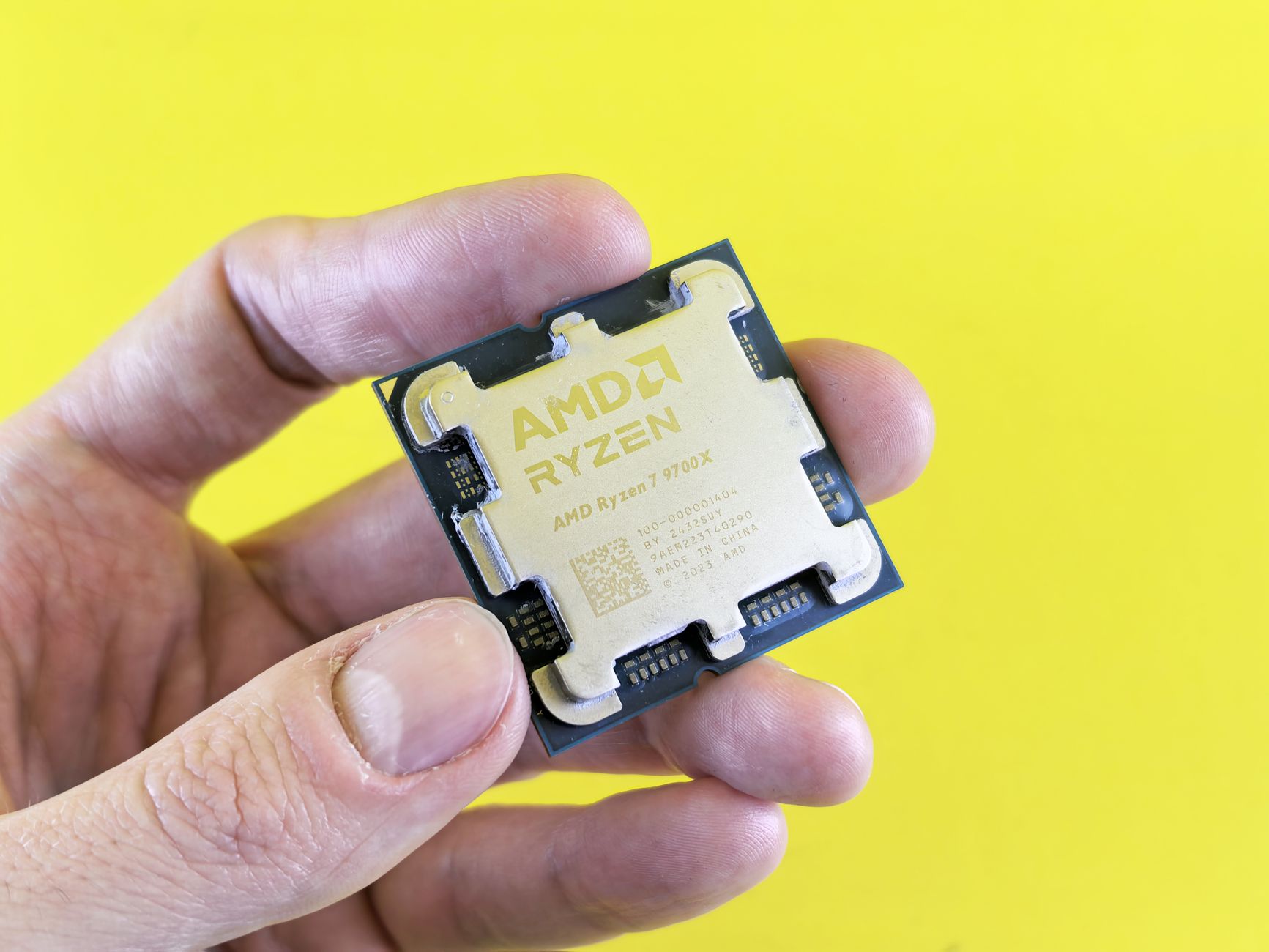
AMD openSIL production goal has been successfully achieved with the release of the 6th Gen EPYC ‘Venice’. This milestone highlights AMD’s commitment to innovation and performance in the tech industry.
Overview of AMD’s openSIL Initiative
AMD has recently celebrated a significant milestone with its openSIL initiative, successfully reaching its production goal with the launch of the 6th Gen EPYC “Venice” processors. This achievement marks a pivotal moment for the company as it continues to enhance its offerings in the competitive server market.
The openSIL initiative focuses on delivering an open-source hardware architecture that fosters collaboration and innovation within the tech community. By leveraging this approach, AMD aims to provide a robust platform for developers and enterprises, ensuring greater flexibility and efficiency in their computing solutions.
Key aspects of the openSIL initiative include:
- Collaboration: Encouraging partnerships with various stakeholders in the industry.
- Innovation: Driving advancements in technology through open-source methodologies.
- Performance: Enhancing server performance and efficiency with the new EPYC Venice processors.
As AMD continues to push the boundaries of what is possible in server technology, the success of the openSIL production goal reflects the company’s commitment to providing cutting-edge solutions that meet the evolving needs of the market.
Impact of the 6th Gen EPYC on Performance
The release of the 6th Gen EPYC processors, known as Venice, marks a significant milestone in AMD’s openSIL production goal, demonstrating impressive advancements in performance and efficiency. This generation of EPYC processors showcases a remarkable improvement in multi-threaded workloads, making them an ideal choice for data centers and cloud service providers.
Key enhancements in the 6th Gen EPYC include:
- Increased core count: With up to 96 cores, Venice allows for greater parallel processing capabilities.
- Enhanced memory bandwidth: The support for DDR5 memory significantly boosts data transfer rates, improving overall system performance.
- Advanced power efficiency: AMD has optimized power consumption, providing better performance per watt, which is crucial for large-scale deployments.
- Support for cutting-edge features: Integration of PCIe 5.0 and improved security protocols helps in meeting the growing demands of modern applications.
The impact of these advancements is substantial, as organizations are now able to handle more workloads simultaneously, leading to increased productivity and reduced latency. With the successful achievement of the openSIL production goal, AMD is setting new standards in the server market, paving the way for future innovations.
AMD’s Commitment to Innovation
In a rapidly evolving tech landscape, AMD continues to demonstrate its commitment to innovation through initiatives like openSIL. The company’s ambitious production goal for openSIL aligns with its vision of enhancing performance and efficiency across its product lineup. By leveraging cutting-edge technologies, AMD aims to redefine what is possible in the realm of data center solutions.
The success of the 6th Gen EPYC “Venice” processors stands as a testament to AMD’s strategic direction. With features designed to optimize workloads and improve energy efficiency, these processors have set new benchmarks in the industry. AMD’s openSIL production goal has not only facilitated smoother manufacturing processes but also fostered collaboration with industry partners to drive innovation.
As AMD continues to invest in research and development, the company is focused on delivering solutions that meet the growing demands of modern computing. The combination of openSIL technology and high-performance EPYC processors positions AMD as a leader in the server market.
Looking ahead, AMD’s ongoing commitment to its openSIL production goal will likely yield even greater advancements, further solidifying its role as a pioneer in the semiconductor industry.
Market Response to EPYC Venice
The launch of the 6th Gen EPYC “Venice” processor has generated significant interest and excitement within the tech community, solidifying AMD’s position as a leader in the server market. With the successful achievement of its openSIL production goal, AMD has demonstrated its commitment to delivering cutting-edge technology that meets the demands of modern computing.
Market analysts have noted a positive response from businesses looking to upgrade their infrastructure. Many companies are eager to leverage the enhanced capabilities of the EPYC Venice architecture, which boasts improved performance and energy efficiency compared to previous generations.
- Increased Demand: Major cloud service providers and data centers are already placing orders, indicating strong market confidence in AMD’s offerings.
- Cost Efficiency: The architecture’s ability to handle more workloads per core is appealing to organizations aiming to reduce operational costs.
- Compatibility: The EPYC Venice is designed to integrate seamlessly with existing systems, making the transition smoother for businesses.
The overall sentiment is that AMD’s openSIL initiative not only leads to innovative products but also sets a new benchmark for performance in the industry, reinforcing the company’s reputation as a formidable competitor in the semiconductor space.
Future Prospects for AMD Technologies
The future prospects for AMD technologies appear promising, particularly in light of the recent success of the openSIL production goal achieved with the 6th Gen EPYC “Venice” processors. As AMD continues to innovate, the implications of this initiative extend beyond just performance metrics. With the openSIL framework, AMD is positioned to enhance collaboration across the industry, allowing for more streamlined integration and development of future technologies.
Additionally, the openSIL initiative is expected to foster a stronger ecosystem for data center solutions, which is critical as demand for cloud computing continues to rise. The successful implementation of this technology indicates AMD’s commitment to maintaining its competitive edge in the market.
Key areas to watch as AMD moves forward include:
- Enhanced AI Integration: Expect advancements that leverage AI capabilities in processing tasks.
- Increased Scalability: Future EPYC generations may provide even greater scalability options for enterprises.
- Broader Adoption: A growing number of businesses may adopt AMD solutions as they see proven success.
As the industry evolves, AMD’s openSIL production goal serves as a milestone that sets the stage for innovative breakthroughs in computing technology.
AMD openSIL Production Goal Achieved
AMD has successfully achieved its openSIL production goal with the rollout of the 6th Gen EPYC “Venice” processors, marking a significant milestone in their ongoing commitment to innovation and performance enhancement. This accomplishment underscores AMD’s ability to meet ambitious targets while delivering high-quality products that meet the evolving demands of the data center market.
The openSIL initiative, which focuses on enhancing silicon-level security and performance, has garnered attention for its potential to reshape server architecture. With the successful production of the EPYC Venice series, AMD has not only reaffirmed its leadership in the industry but has also showcased the effectiveness of its openSIL strategy.
Key features of the EPYC Venice processors include:
- Increased core counts: This allows for greater parallel processing capabilities.
- Improved energy efficiency: Enabling cost savings and reduced environmental impact.
- Robust security features: Addressing the critical need for secure computing environments.
As the market response continues to be overwhelmingly positive, AMD’s openSIL production goal has proven to be a stepping stone toward future advancements, positioning the company for sustained growth and innovation in the technology sector.
The recent advancements in AMD’s technology demonstrate how the AMD openSIL production goal is not just a target, but a reality in the making. By achieving this goal, AMD is set to redefine performance standards in the server market.
Photo by Andrey Matveev on Pexels