 Ha Stone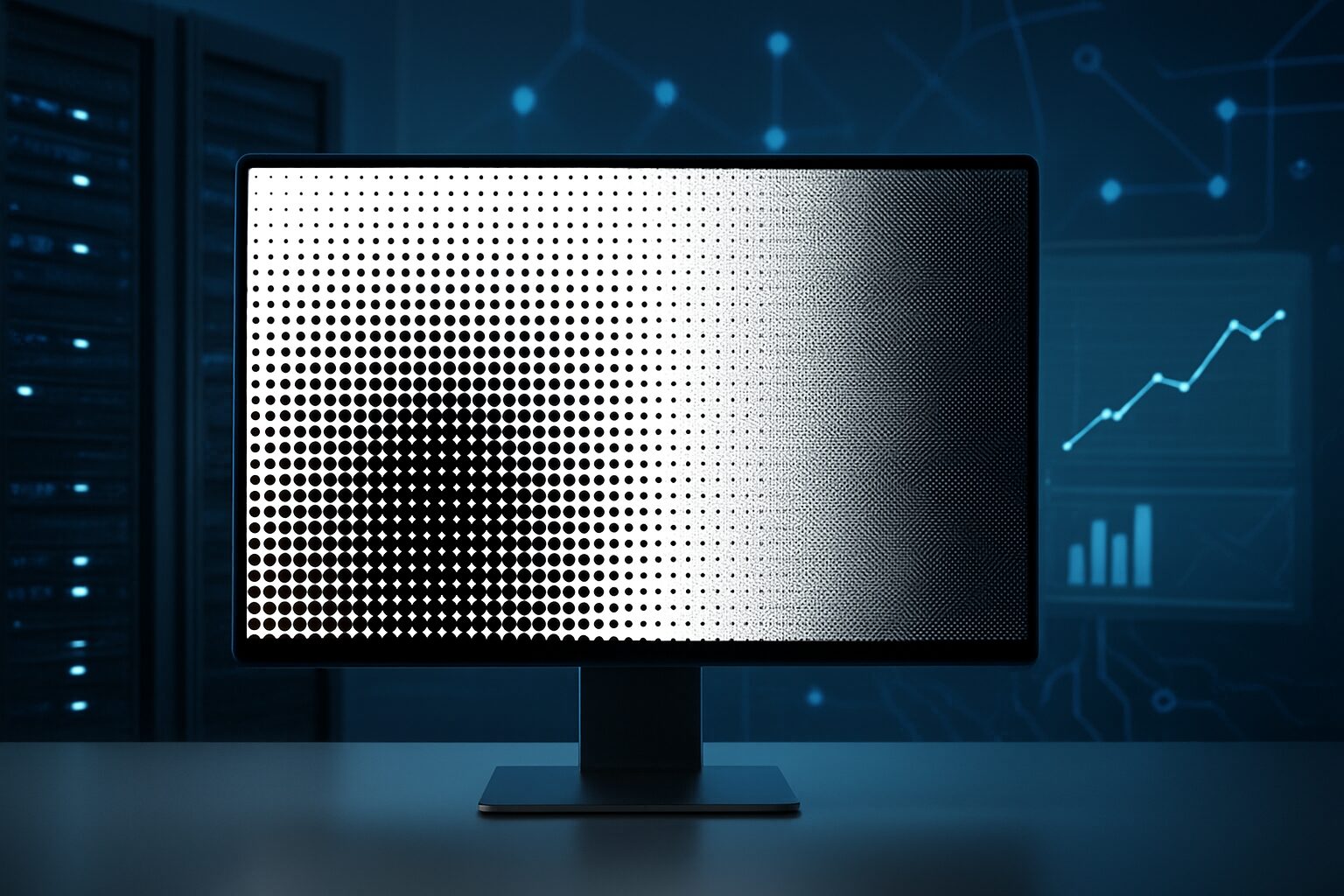
Understanding the Value of Digital Halftone Design
Digital printing continues to create new opportunities for apparel designers, graphic artists, and businesses producing customized merchandise. Halftone patterns offer an effective way to transform photographs, illustrations, and shaded graphics into distinctive dot-based artwork. A halftone generator online provides a convenient approach to creating these patterns while allowing designers to explore different visual effects and prepare images for printing. By combining accessible design tools with measurable image properties, creative professionals can develop artwork that balances visual appeal, tonal depth, and production requirements.
The Science Behind Halftone Patterns
Halftone technology represents continuous shades through arrangements of dots that vary in size, spacing, or density. When viewed at an appropriate distance, these patterns create the perception of different gray levels and tonal transitions.
Image resolution and dot frequency play important roles in determining the final appearance. Resolution, commonly measured in pixels per inch (PPI), describes the amount of image information available within a specific area. Halftone frequency, measured in lines per inch (LPI), describes the density of the pattern. These measurements serve different purposes and should be selected according to the image and printing process.
For example, artwork prepared at 300 PPI is a common starting point for detailed print graphics at their intended dimensions. The ideal halftone frequency depends on the printer, substrate, and level of detail required.
Important Statistics That Influence Artwork Quality
Measurable design characteristics help establish a consistent workflow and improve the evaluation of halftone artwork.
Image resolution: A higher-resolution source can preserve fine features when the artwork is resized appropriately.Dot frequency: Lower LPI settings create more visible dots, while higher settings produce finer patterns.Tonal range: Balanced highlights, midtones, and shadows help maintain recognizable shapes and dimensional details.Contrast ratio: Appropriate separation between light and dark regions makes important design elements easier to distinguish.Print dimensions: The final width and height influence how clearly individual dots appear on the finished product.File dimensions: Pixel measurements help determine whether an image contains sufficient detail for its intended physical size.
Image resolution: A higher-resolution source can preserve fine features when the artwork is resized appropriately.
Dot frequency: Lower LPI settings create more visible dots, while higher settings produce finer patterns.
Tonal range: Balanced highlights, midtones, and shadows help maintain recognizable shapes and dimensional details.
Contrast ratio: Appropriate separation between light and dark regions makes important design elements easier to distinguish.
Print dimensions: The final width and height influence how clearly individual dots appear on the finished product.
File dimensions: Pixel measurements help determine whether an image contains sufficient detail for its intended physical size.
These indicators provide a useful foundation for design decisions. Their effectiveness depends on how the settings work together rather than on a single measurement.
Advantages of Browser-Based Halftone Creation
Browser-based design tools offer a practical environment for experimenting with image effects. Designers can explore halftone treatments without necessarily installing specialized desktop software, making the process accessible across compatible devices.
A streamlined workflow can also support faster creative exploration. Different pattern styles, tonal treatments, and image variations can be evaluated before selecting a final design. This flexibility is valuable for independent creators, apparel businesses, and print professionals managing several artwork concepts.
Online accessibility also makes it easier to incorporate halftone experimentation into existing design routines. The resulting artwork should still be reviewed and exported according to the requirements of the intended production system.
Applications Across Modern Graphic Design
Halftone effects contribute to a wide variety of visual styles. In custom apparel, they can give portrait graphics a textured appearance, add depth to illustrated characters, and create distinctive vintage-inspired compositions.
Branding projects can use halftone textures to differentiate promotional merchandise, while poster designers can combine dots with bold typography and geometric shapes. Digital illustrations can benefit from the technique through controlled shading and visually consistent textures.
The flexibility of halftone patterns allows designers to maintain a recognizable visual theme while adapting artwork for different products and audiences.
Improving Workflow Consistency Through Measurement
A structured preparation process makes design production easier to manage. Recording image dimensions, resolution, pattern frequency, and contrast adjustments provides a useful reference for future projects.
Reviewing artwork at its intended print size helps identify areas where fine dots or subtle shading may require adjustment. Maintaining consistent export settings also supports collaboration between design teams and production operators.
These practices encourage repeatable results while giving creative professionals room to experiment with new styles.
Conclusion
Halftone design brings together visual creativity, image processing, and measurable production standards. Resolution, dot frequency, tonal distribution, contrast, and print dimensions all contribute to the quality of the final artwork. An online workflow offers a convenient way to explore these characteristics and develop distinctive graphics for apparel, promotional products, and digital illustrations. With thoughtful preparation and consistent evaluation, halftone techniques can support professional presentation, efficient design development, and a broader range of creative possibilities.
Quick Summary
- Halftone patterns transform photographs and illustrations into dot-based artwork suitable for digital printing.
- Image resolution, measured in pixels per inch (PPI), and halftone frequency, measured in lines per inch (LPI), are key factors that affect the final appearance of halftone designs.
- Browser-based halftone creation tools allow designers to experiment with image effects without the need for specialized software.
- Halftone effects can add texture and depth to custom apparel and branding projects, influencing various visual styles.
- Establishing measurable characteristics like resolution and contrast ratio helps streamline the design production process.