 Ha Stone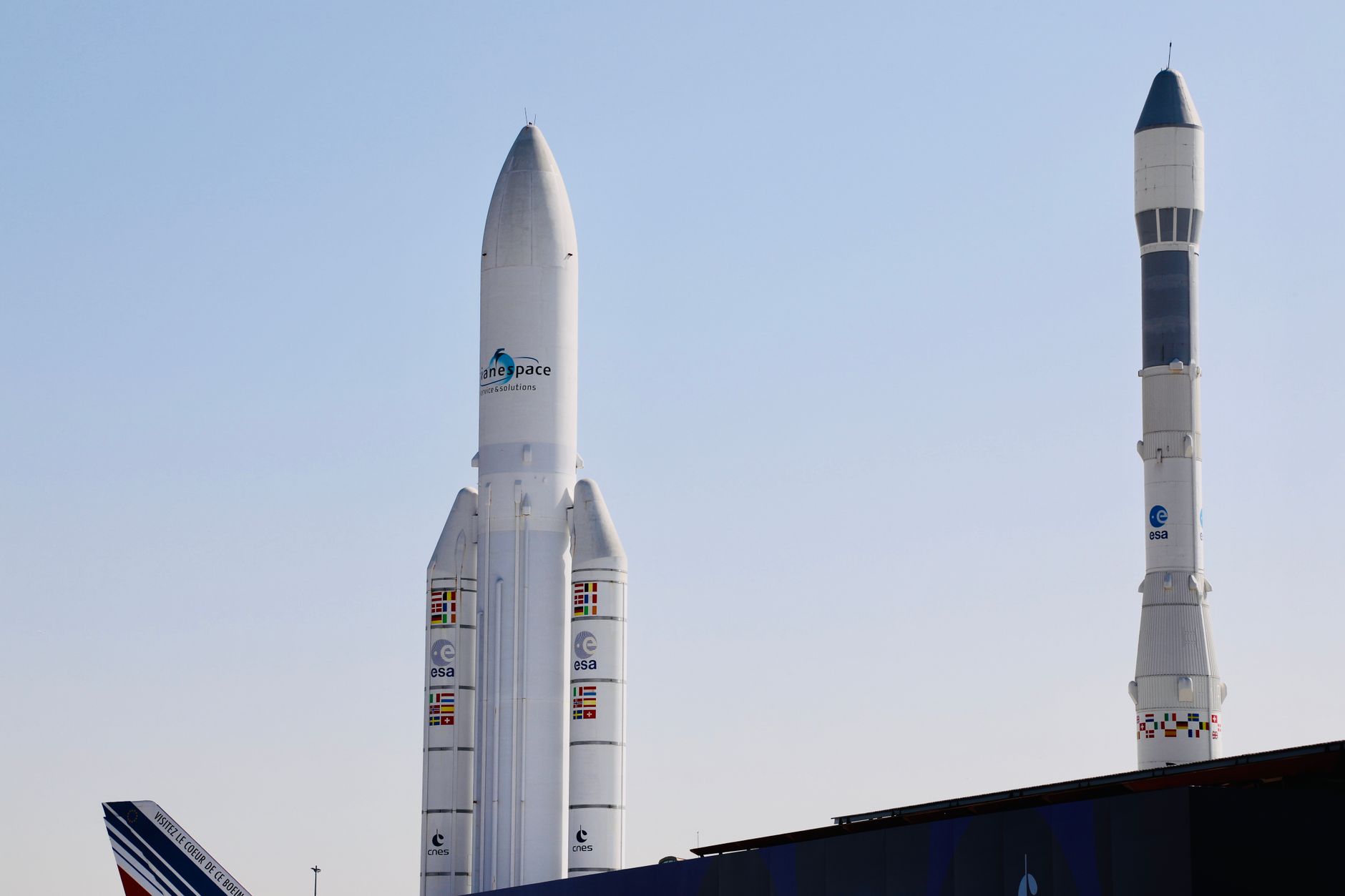
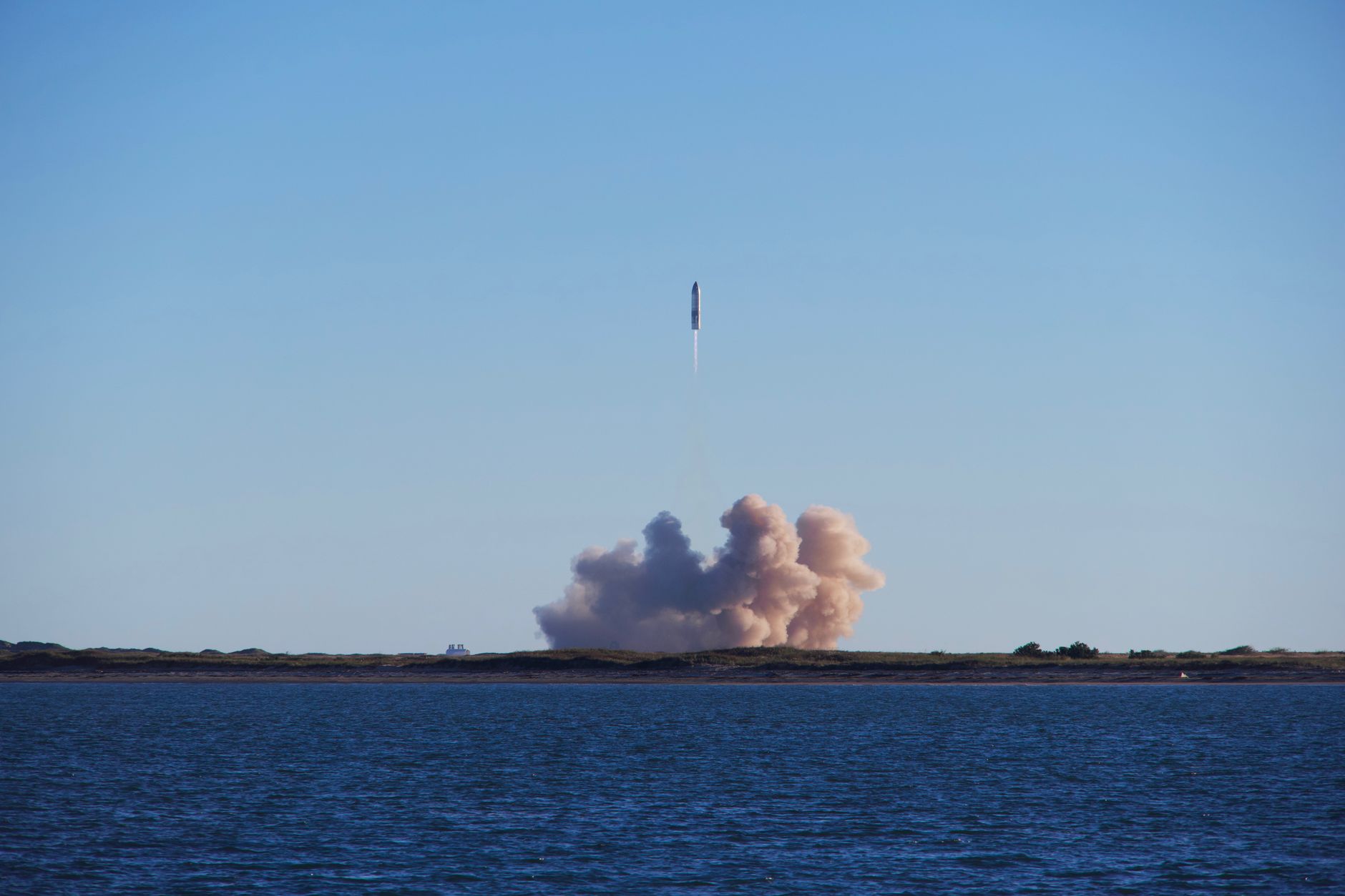
The German space rocket has successfully reached orbit, marking a historic moment in Europe’s first commercial launch. This achievement highlights advancements in space technology and commercial spaceflight.
Introduction to the German space rocket
The recent success of the German space rocket marks a significant milestone in Europe’s aerospace industry. This achievement not only showcases Germany’s growing capabilities in space technology but also positions Europe as a competitive player in the global commercial launch market.
In a historic event, the German space rocket successfully achieved orbit, becoming the first commercial launch from European soil. This launch symbolizes a new era for the European Space Agency and private aerospace companies looking to expand their reach beyond traditional government-funded missions.
The rocket, developed by a consortium of German firms, is designed for versatility and reliability, catering to various satellite deployment needs. Key features of the rocket include:
- Innovative design: Utilizes advanced materials and technology to enhance performance.
- Cost-effective operations: Aims to lower launch costs, making space access more affordable.
- Environmental considerations: Designed with a focus on sustainability and reduced emissions.
The success of the German space rocket is expected to inspire further investment in the European space sector, paving the way for future innovations and collaborative projects.
Significance of the commercial launch
The successful launch of the German space rocket marks a pivotal moment in the evolution of commercial space endeavors. This achievement not only showcases the capabilities of German aerospace engineering but also sets a precedent for future commercial launches in Europe. The implications of this milestone are far-reaching, affecting various sectors and stakeholders involved in space exploration.
One significant aspect is the enhancement of Europe’s position in the global space market. The successful deployment of the German space rocket demonstrates that European companies can compete effectively with established players in the industry. This competition is crucial for innovation and may lead to reduced costs for satellite launches and other space missions.
Additionally, the launch has opened up opportunities for collaborations between private companies and governmental space agencies. Such partnerships can foster research and development, leading to advancements in technology and exploration capabilities.
Moreover, the success story of the German space rocket serves as an inspiration for aspiring space entrepreneurs. It emphasizes that with the right investment and commitment, even emerging nations can make significant contributions to space exploration.
- Strengthened European competitiveness in space
- Opportunities for private-public partnerships
- Encouragement for future space entrepreneurs
Technological advancements in rocket design
The recent success of the German space rocket is a testament to the rapid advancements in rocket design and technology. Engineers have focused on enhancing efficiency, safety, and adaptability, allowing for a more robust launch vehicle that meets the demands of modern space exploration.
Key technological innovations include:
- Lightweight Materials: The use of advanced composites reduces the overall weight of the rocket, contributing to higher payload capacities and improved fuel efficiency.
- Modular Designs: The incorporation of modular components allows for quicker assembly and easier upgrades, facilitating rapid deployment for various missions.
- Autonomous Systems: Enhanced navigation and control systems enable the German space rocket to operate with precision, reducing the risk of human error during launch and flight.
- Reusability: Efforts to make components reusable are paving the way for cost-effective space missions by allowing the same parts to be utilized in multiple launches.
These advancements reflect a broader trend in the aerospace industry, where competition and innovation drive the development of cutting-edge technologies that are crucial for future space endeavors.
Challenges faced during the launch
The launch of the German space rocket was not without its challenges, as engineers and scientists faced numerous obstacles during the preparation and execution phases. Among the most significant issues encountered was the unpredictable weather, which threatened to delay the launch schedule.
In addition to climatic concerns, the development team had to navigate several technical hurdles related to the rocket’s propulsion system. Ensuring that all components functioned seamlessly was critical for achieving a successful mission.
Another challenge involved coordinating with various international regulatory bodies to secure the necessary permissions for the launch. This process required extensive documentation and compliance with stringent safety standards.
Moreover, the integration of cutting-edge technology posed its own difficulties. While the advancements in the rocket’s design promised enhanced performance, they also introduced complexities that needed to be resolved before the launch.
Despite these challenges, the team remained committed to overcoming each obstacle, illustrating their determination and expertise. Their successful efforts culminated in the German space rocket reaching orbit, marking a remarkable milestone in Europe’s commercial space endeavors.
Future of European space missions
The successful launch of the German space rocket marks a pivotal moment for the future of European space missions. With this achievement, Europe positions itself as a competitive player in the global space industry, aiming to expand its capabilities and enhance collaboration among nations.
Several factors contribute to the promising future of European space endeavors:
- Increased Investment: With the recent success, there is likely to be a surge in investment from both public and private sectors, fueling further innovations in space technology.
- Collaborative Efforts: European countries are expected to deepen their partnerships, sharing resources and expertise to tackle complex challenges in space exploration.
- Focus on Sustainability: The European Space Agency (ESA) is set to prioritize sustainable practices in future missions, ensuring that space exploration is environmentally responsible.
- New Technologies: The advancements showcased by the German space rocket will inspire the development of more sophisticated launch systems, enhancing payload capacity and reducing costs.
As Europe looks to the stars, the successful integration of the German space rocket into its space program serves as a testament to the region’s commitment to innovation and exploration.
Comparing commercial launch successes
The recent success of the German space rocket has marked a significant milestone in the commercial launch industry. As Europe continues to invest in competitive space capabilities, it is essential to compare this achievement with other notable commercial launch successes around the globe.
Several key factors contribute to the efficacy of commercial launches:
- Cost-effectiveness: Companies like SpaceX and Rocket Lab have pioneered methods to reduce launch costs, making space more accessible.
- Reliability: The success rate of launches is crucial. The German space rocket’s achievement adds to a growing list of reliable options for satellite deployment.
- Innovation: Advances in technology, such as reusable rocket components, have set new standards in the industry.
The German space rocket, by reaching a safe orbit, demonstrates that Europe is making strides to keep pace with its global counterparts. This accomplishment not only enhances the region’s reputation in space exploration but also encourages further investment in research and development. As the landscape of space travel evolves, these comparisons highlight the importance of collaboration and competition among nations for future missions.
Expert opinions on the launch
Experts across the aerospace industry have lauded the successful launch of the German space rocket, emphasizing its significance for the future of commercial space endeavors. Dr. Anna Müller, a leading aerospace engineer, stated, “This launch not only showcases the capabilities of the German space rocket but also sets a precedent for future commercial missions in Europe.” She highlighted the rigorous testing and innovative design that contributed to the rocket’s successful ascent into orbit.
Additionally, Prof. Thomas Becker, an analyst at the European Space Agency, remarked, “The successful completion of this mission is a testament to the collaborative efforts within the European space sector. It demonstrates that we can compete on a global scale.” He further noted that this achievement could lead to increased investment in European space technologies.
Industry experts believe that the success of the German space rocket could inspire new partnerships and stimulate growth in the commercial space market. Dr. Sarah Klein, a market analyst, added, “As more private companies enter the sector, we can expect advancements that will drive down costs and enhance accessibility to space.” The ripple effects of this launch are likely to be felt for years to come.
Photo by Léa Claisse on Pexels
Where this came from
You might also like
Viewbot Twitch: Ways to Enhance Your Live Streaming Experience · Samsung Galaxy Tab S12+: Exciting Launch Date Leaked! · iPhone 18 Pro Price: Best Clear Expectations for India