 Ha Stone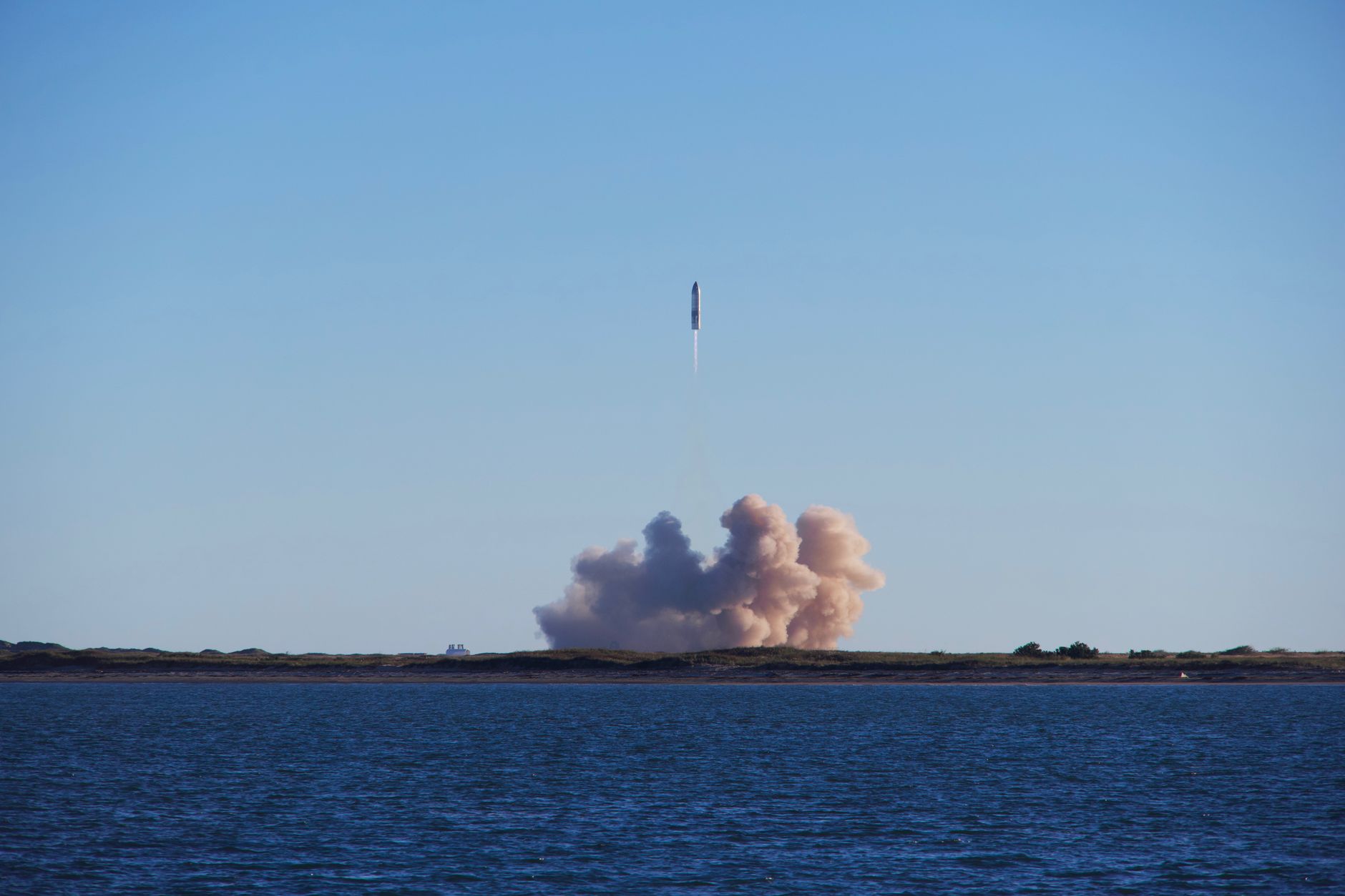
satellite sea launch has reached new heights as China sets a record with nine satellites deployed simultaneously. This achievement highlights the country’s growing capabilities in space technology.
China’s Record-Breaking Launch
In a groundbreaking achievement, China has set a new record by successfully executing nine satellite sea launches in a single month. This impressive feat highlights the country’s growing capabilities in the realm of aerospace and satellite deployment. The recent launches took place from various platforms, demonstrating flexibility and efficiency in operations.
Each mission was meticulously planned, showcasing a blend of advanced technology and rigorous training. The use of satellite sea launch techniques has enabled China to optimize its launch schedules and reduce costs significantly.
- Enhanced Reliability: The methods employed have improved the success rate of satellite deployments.
- Environmental Considerations: Launching from the sea minimizes the impact on populated areas.
- Global Reach: These capabilities position China as a key player in the international satellite market.
China’s record-breaking launch not only underscores its technological prowess but also sets the stage for future advancements in satellite sea launch initiatives.
The Technology Behind Sea Launch
The technology behind satellite sea launch is a remarkable achievement, combining advancements in aerospace engineering and maritime operations. This innovative approach allows for flexible launch locations and minimizes the impact of weather conditions.
Key components of this technology include:
- Mobile Launch Platforms: These specialized vessels can be positioned in optimal locations, taking advantage of open waters for a clear ascent.
- Advanced Propulsion Systems: Utilizing powerful rockets designed for sea launches ensures higher efficiency and reliability.
- Real-time Tracking and Communication: Sophisticated systems provide constant data analysis and control during the launch process.
- Environmental Considerations: Techniques are in place to mitigate environmental impacts, ensuring sustainable operations.
With these proven techniques, satellite sea launch continues to redefine how nations approach space exploration.
Implications for Future Space Missions
The recent achievement in satellite sea launch by China has significant implications for future space missions. As countries continue to explore innovative methods for satellite deployment, the success of sea-based launches may redefine traditional practices in the aerospace industry.
Several key factors emerge from this advancement:
- Cost Efficiency: Sea launches can reduce the need for extensive ground infrastructure, lowering overall mission costs.
- Increased Flexibility: Launching from the ocean allows for a wider range of trajectories and orbits, enabling more complex missions.
- Environmental Impact: Minimizing ground disturbances can lessen the ecological footprint of satellite deployments.
As nations invest in satellite sea launch capabilities, the potential for collaboration and competition will likely influence the future landscape of space exploration.
Challenges Faced in Satellite Launches
Satellite sea launches come with a unique set of challenges that can impact mission success. Among these challenges are:
- Weather Conditions: Launching from the sea exposes rockets to unpredictable weather patterns, which can lead to delays or cancellations.
- Logistical Complexity: Coordinating maritime operations adds layers of complexity, requiring precise timing and planning.
- Safety Concerns: Ensuring the safety of crew and equipment in a marine environment poses additional risks compared to land-based launches.
- Environmental Regulations: Compliance with maritime laws and environmental regulations can complicate launch operations.
Despite these challenges, advancements in technology and strategic planning are enabling better management of risks associated with satellite sea launches, paving the way for more successful missions in the future.
Comparing Sea Launch to Traditional Methods
When it comes to launching satellites, the satellite sea launch method presents several advantages over traditional land-based techniques. One key benefit is the ability to avoid densely populated areas, reducing the risk to human life and property. This method also allows for launching closer to the equator, which can enhance payload capacity by taking advantage of the Earth’s rotation.
Moreover, sea launches can operate in a variety of weather conditions, offering more flexibility in scheduling. In contrast, traditional methods often face delays due to unfavorable weather or ground infrastructure issues. Additionally, the logistics of transporting payloads offshore can streamline operations and potentially lower costs.
As the space industry evolves, the growing preference for satellite sea launch techniques could reshape how nations approach satellite deployment, making it a strong contender for future missions.
Expert Opinions on China’s Achievement
Experts are weighing in on China’s recent achievement in satellite sea launch, which has set a new record with nine satellites deployed in a single mission. Dr. Li Wei, an aerospace engineer, emphasized the significance of this milestone, stating, “This demonstrates not only technical prowess but also strategic innovation in space logistics.” Additionally, Dr. Mei Zhang, a space policy analyst, noted that “China’s ability to conduct multiple satellite launches from the sea could reshape global competition in space.” The flexibility offered by sea launches allows for quicker deployment and potentially lower costs, making it an attractive option for future missions. As more countries explore similar capabilities, the implications for international collaboration and competition will become increasingly pronounced. Overall, China’s advancement in satellite sea launch marks a pivotal moment in the evolution of space exploration, prompting many to rethink traditional launch methodologies.
Photo by Forest Katsch on Pexels
Sources
Redmi Note 17 Pro: The Best New Phone with Proven Specs · Privacy roles in AI: Are They the Best Proven Strategies? · Intel Arc GPU drivers: Best Beta Release with Proven Fixes