 Charles Miller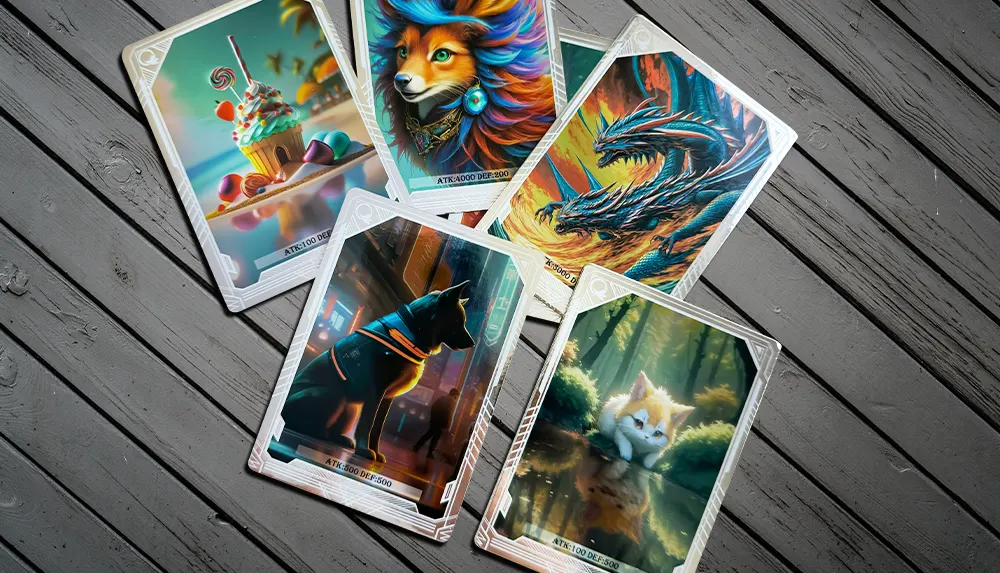
Trading cards have been a beloved collectible for decades, with countless fans creating their own custom designs to reflect personal interests or unique ideas. Whether you’re a hobbyist designing for fun or someone hoping to launch a professional line, creating your own trading cards allows you to bring your vision to life. Let’s explore some essential tips to help you design Trading card printing that stand out.
1. Define Your Theme and Purpose
The very first step of designing trading cards is understanding their purpose and theme. Are you creating characters for a card game? Maybe you’re curating a collection focused on sports statistics, fantasy heroes, or even custom art. Having a clear theme lays the foundation for your design.
Take popular trading card games like Pokémon or Magic: The Gathering as inspiration. They stick to well-defined aesthetics and themes that align with the world they represent. Choosing your theme will guide design decisions like imagery, typography, and wording.
2. Focus on Eye-Catching Visuals
A trading card is as much about the art as it is the information it contains. High-quality, visually striking graphics are essential to grab attention. If you’re not an artist, consider collaborating with an illustrator or digital designer who can bring your vision to life.
Additionally, choose colors that reflect the mood of your theme. For instance, a sports card collection might lean toward vibrant colors like red or blue, conveying energy and intensity. Meanwhile, a fantasy-themed deck could benefit from earthy tones or ethereal gradients to capture a magical feeling.
3. Balance the Layout
A well-organized layout is key to creating visually pleasing trading cards. Break down what’s necessary to include and structure it effectively. Core elements to think about include the following:
- Main Graphic/Illustration (centerpiece of the card)
- Name or Title (prominent and legible)
- Statistics or Key Details (place them neatly in sections)
- Background Design (complex enough to enhance visually but not so busy that it distracts from the focus)
Using design tools like Adobe Illustrator or Canva can help you place these elements precisely, ensuring a harmonious design that looks professional.
4. Incorporate Relevant Statistics and Details
What makes trading cards interesting is the information they provide. For instance, in sports cards, statistics like player achievements or season records make each card feel special. For fictional characters, it could be abilities, strengths, or backstory snippets that intrigue the audience.
Clearly separate informational sections using dividers or contrasting colors so your card doesn’t feel cluttered. Make sure every statistic or detail supports your overall theme and feels relevant to the audience.
5. Use High-Quality Fonts and Typography
Thoughtfully chosen typography not only enhances the aesthetics of your cards but also ensures readability. Combine fonts wisely—use bold, stylized ones for names and titles, and clean, simple fonts for any data or descriptions.
For tackling typography like a pro, look into free font pairings on platforms like Google Fonts. The key is ensuring that the text remains legible while fitting with your style vision.
6. Print Considerations Matter
Once your designs are ready, think carefully about how they’ll translate into physical cards. Choose good-quality card stock and finishes; glossy or textured finishes can elevate your trading cards, making them look and feel premium.
Test prints are valuable here. They help identify any potential errors in resolution or alignment that could affect the final product. A professional printing service can ensure your designs are sharp and colors are vibrant.
7. Add Unique Extras
Finally, what will make your trading cards stand out? Consider adding special touches such as:
- Holographic effects for rare or unique cards
- Embossed textures on titles or images
- QR codes that link to digital content or bonus features
These little details turn a simple card into a collectible piece that people cherish. Remember, the goal is not just to design trading cards but to create an experience for collectors.
Designing your own trading cards can be endlessly rewarding. By paying attention to the details—like layout, visuals, and printing quality—you can create a trading card collection that’s uniquely yours, with a lasting impact for anyone who picks it up.


 Ha Stone