 Ha Stone
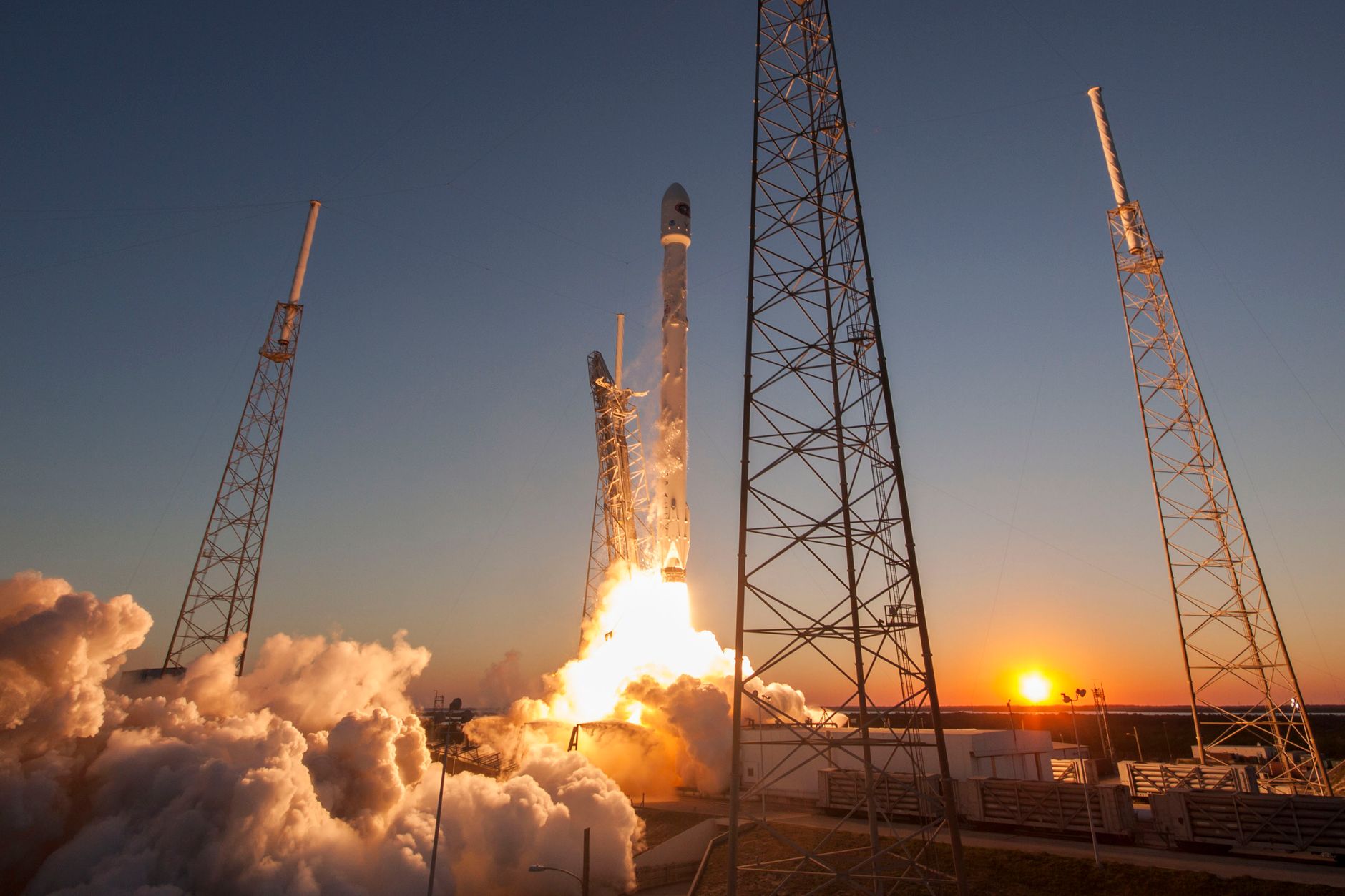
The SpaceX Crew-13 mission successfully launched, demonstrating SpaceX’s commitment to NASA’s goals. This mission marks another milestone in human spaceflight.
Overview of the SpaceX Crew-13 mission
The SpaceX Crew-13 mission marks another significant achievement in the ongoing partnership between SpaceX and NASA. Launched aboard a Falcon 9 rocket, this mission successfully transported four astronauts to the International Space Station (ISS). The crew includes astronauts from various backgrounds, each bringing unique expertise to the mission.
This launch underscores the reliability of SpaceX’s technology and its commitment to crewed spaceflight. The Falcon 9 booster, which was previously used in other missions, demonstrated its reusability by safely landing back on Earth after the launch.
Key highlights of the SpaceX Crew-13 mission include:
- Transport of astronauts to the ISS for essential research and experiments.
- Reusability of the Falcon 9 booster, showcasing advancements in space technology.
- Continued collaboration between commercial space companies and NASA.
Key objectives of Crew-13
The SpaceX Crew-13 mission was designed with several key objectives that underline its importance for NASA’s future space exploration endeavors. These objectives included:
- Transportation of Crew: Safely delivering a team of astronauts to the International Space Station (ISS).
- Research and Experiments: Conducting a variety of scientific experiments to further understand the effects of long-duration spaceflight.
- Technology Demonstration: Testing new technologies that may be integral for future missions, including Artemis.
- International Collaboration: Strengthening partnerships with international space agencies through joint missions and shared research goals.
Overall, the objectives of the SpaceX Crew-13 mission reflect a commitment to advancing human spaceflight and international cooperation in research and exploration.
Falcon 9 booster landing success
The recent SpaceX Crew-13 mission showcased the impressive capabilities of the Falcon 9 booster, which successfully landed on a drone ship in the Atlantic Ocean after its historic launch. This achievement marks another milestone in SpaceX’s commitment to reliable and reusable rocket technology.
The booster, which was used to propel the Crew-13 spacecraft into orbit, returned to Earth approximately nine minutes after liftoff, demonstrating the efficiency of SpaceX’s design and engineering. This successful landing not only underscores the company’s innovative approach but also illustrates NASA’s confidence in partnering with SpaceX for future missions.
As space exploration continues to evolve, the success of the Falcon 9 booster landing plays a critical role in ensuring the safety and sustainability of crewed missions, paving the way for continued advancements in human spaceflight.
NASA’s partnership with SpaceX
NASA’s partnership with SpaceX has proven to be a transformative collaboration in the realm of space exploration. The SpaceX Crew-13 mission exemplifies this synergy, showcasing the effectiveness of commercial partnerships in advancing scientific research and crewed spaceflight. Through this partnership, NASA has been able to leverage SpaceX’s innovative technologies and capabilities, ensuring timely access to the International Space Station (ISS).
This collaboration also underscores NASA’s commitment to fostering private-sector involvement in space missions. By working with SpaceX, NASA is not only reducing costs but also accelerating the pace of human exploration beyond Earth. The success of the Crew-13 mission is a testament to the efficacy of this partnership, paving the way for future missions that will continue to push the boundaries of human capabilities in space.
As both organizations look to the future, their ongoing collaboration is expected to yield more groundbreaking achievements.
Future missions planned
The success of the SpaceX Crew-13 mission has paved the way for several upcoming missions aimed at further enhancing human space exploration. NASA and SpaceX are already planning a series of crewed flights to the International Space Station (ISS) as part of their ongoing collaboration.
Future missions will focus on:
- Expanding research opportunities: Additional crewed missions will allow scientists to conduct a broader range of experiments in microgravity.
- International partnerships: Collaborations with other space agencies are expected to be strengthened, enabling shared access to the ISS.
- Long-duration missions: Plans are in place to increase the length of crewed stays aboard the ISS, further testing human endurance in space.
- Manned lunar missions: SpaceX aims to support NASA’s Artemis program, which seeks to return humans to the Moon.
The ongoing success of the SpaceX Crew-13 mission serves as a strong foundation for these ambitious future endeavors.
Impact on space exploration
The SpaceX Crew-13 mission marks a significant milestone in the field of space exploration, showcasing the successful collaboration between private and public entities. This mission not only demonstrates the reliability of SpaceX’s technology but also reinforces NASA’s commitment to advancing human spaceflight.
Key impacts of the mission include:
- Boosting confidence in commercial space travel by proving that private companies can effectively transport astronauts to the International Space Station.
- Enhancing research opportunities aboard the ISS, providing scientists with valuable data that can lead to breakthroughs in various fields.
- Inspiring future generations of explorers, engineers, and scientists through the increased visibility of space missions.
Overall, the SpaceX Crew-13 mission serves as a testament to the potential of commercial partnerships in shaping the future of space exploration.
By SpaceX via Openverse
Sources
Infosys ABN AMRO Partnership: A Smart Move for Enterprise AI · A Professional Overview of MDPHP Free Base in Scientific Research · Building a Connected Security Strategy for Modern Commercial Properties