 Ha Stone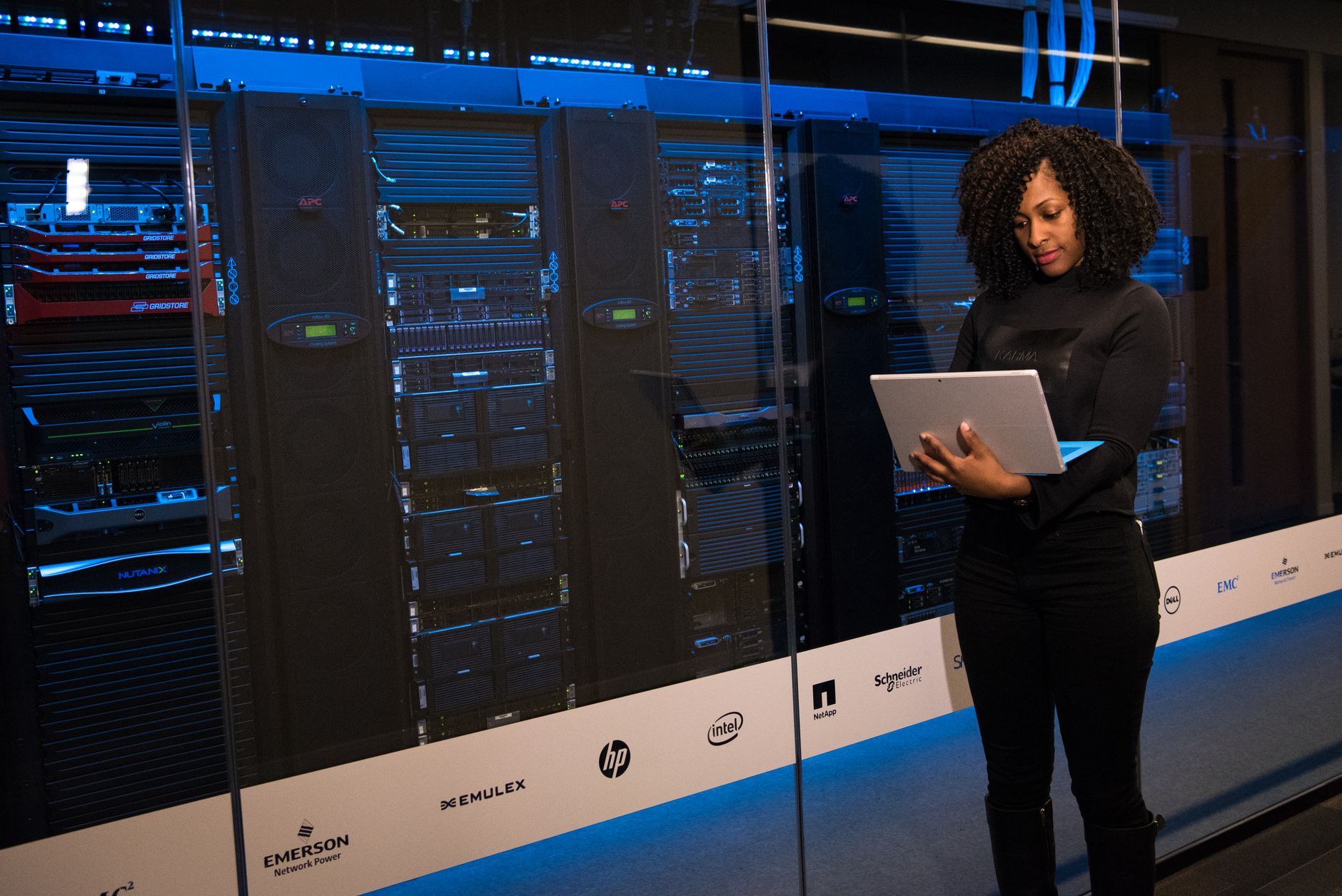
The AMD Helion Rack System is set to revolutionize AI capabilities with its impressive 32768 EPYC cores. This powerful solution aims to enhance performance for agentic AI applications.
Overview of AMD Helion Rack System
The AMD Helion Rack System represents a significant advancement in the realm of artificial intelligence infrastructure. Engineered to support the burgeoning demands of AI workloads, this system leverages the power of AMD’s EPYC processors, boasting a remarkable total of 32,768 cores. This extensive processing capability is designed to facilitate complex computations required for agentic AI applications.
With the rise of AI technologies, the need for high-performance computing solutions has never been more critical. The AMD Helion Rack System addresses this requirement by providing a scalable and efficient platform. Its architecture is optimized for both machine learning and deep learning tasks, enabling organizations to accelerate their AI initiatives and derive insights faster than ever before.
Key features of the AMD Helion Rack System include:
- High Scalability: Organizations can easily scale their infrastructure to meet the evolving demands of AI.
- Energy Efficiency: The system is designed to deliver maximum performance while minimizing energy consumption.
- Advanced Cooling Solutions: Innovative cooling technologies ensure optimal performance and reliability in high-density environments.
- Flexible Deployment: The system can be deployed in various settings, from on-premises data centers to edge locations.
As the landscape of AI continues to evolve, the AMD Helion Rack System stands out as a robust and proven solution, capable of powering the next generation of intelligent applications.
Key Features of EPYC Cores
The AMD Helion Rack System stands out due to its innovative design and powerful performance, particularly with the integration of EPYC cores. These cores offer several key features that significantly enhance the system’s capabilities for AI applications.
- Scalability: The EPYC architecture allows for remarkable scalability, accommodating large workloads with ease. This feature is crucial for AI tasks that require extensive computational power.
- High Core Count: With up to 32,768 EPYC cores available in the AMD Helion Rack System, users can leverage parallel processing to accelerate AI model training and inferencing.
- Advanced Memory Support: The system supports high-bandwidth memory, ensuring that data can be accessed quickly and efficiently, which is vital for running data-intensive AI applications.
- Energy Efficiency: EPYC cores are designed for optimal energy efficiency, providing high performance while reducing operational costs. This aspect is particularly appealing for organizations looking to scale their AI infrastructures sustainably.
- Security Features: Built-in security features protect sensitive data during processing, making the AMD Helion Rack System a reliable choice for enterprises dealing with confidential information.
Overall, the combination of these features makes the AMD Helion Rack System with EPYC cores a leading solution for organizations seeking to harness the power of AI efficiently and effectively.
Impact on AI Development
The introduction of the AMD Helion Rack System marks a significant advancement in the development of AI technologies. With its robust architecture and powerful EPYC cores, this system is designed to meet the increasing demands of modern AI applications.
One of the most notable impacts of the Helion Rack System on AI development is its ability to enhance processing speeds and efficiency. Developers can leverage the massive computational power provided by the 32,768 EPYC cores to train complex machine learning models faster than ever before.
Additionally, the system’s architecture supports a variety of use cases, allowing organizations to deploy AI solutions across different industries. The following are key areas where the AMD Helion Rack System is expected to make a difference:
- Healthcare: Accelerating drug discovery and improving patient outcomes through advanced data analysis.
- Finance: Enhancing fraud detection systems and risk management through real-time data processing.
- Autonomous Systems: Improving the capabilities of autonomous vehicles and robotics with real-time decision-making.
- Natural Language Processing: Facilitating more accurate and human-like interactions in AI-driven applications.
As organizations increasingly adopt AI technologies, the AMD Helion Rack System is poised to be a pioneering solution, driving innovation and efficiency in various sectors.
Comparing with Other Systems
When comparing the AMD Helion Rack System to other AI solutions on the market, several key factors come into play. The architecture of the Helion system offers unique advantages that set it apart from competitors.
Firstly, the scalability of the Helion Rack System is noteworthy. Unlike traditional systems that may struggle to accommodate increasing workloads, the Helion Rack is designed to effortlessly scale up, utilizing its 32,768 EPYC cores to handle demanding AI tasks. This is a significant advantage for enterprises looking to future-proof their AI infrastructure.
Additionally, the energy efficiency of the AMD Helion system contributes to its appeal. While many alternatives consume excessive power for similar performance levels, the Helion Rack System optimizes energy use, reducing operational costs and supporting environmentally friendly practices.
Moreover, the performance of the AMD Helion Rack System is often reported as superior in benchmark tests, demonstrating faster processing speeds in AI workloads compared to leading competitors. This performance enhancement is crucial for organizations that require rapid data analysis and decision-making capabilities.
In summary, the AMD Helion Rack System stands out in a crowded market due to its scalability, energy efficiency, and superior performance, making it a compelling choice for businesses investing in AI technology.
Photo by Christina Morillo on Pexels
Where this came from
Related reading
ColorOS 17 Release Date: The Best Update for OPPO Users · ColorOS 17 India Launch: Best Date Confirmed for Users · AI Upscaled Images: The Worst Proven Problems Explained