
 Ha Stone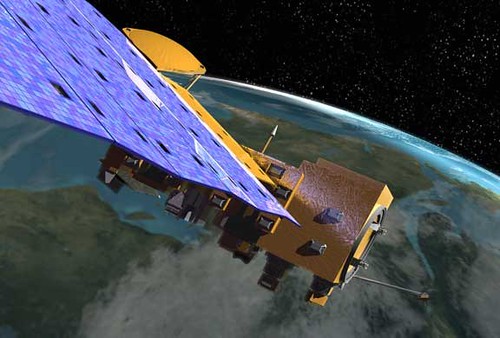
Methane monitoring satellite advancements are crucial for understanding climate change. The recent Tanager satellite launch promises to enhance our capabilities in tracking methane emissions globally.
What is the Tanager Satellite?
The Tanager Satellite is a groundbreaking addition to the growing array of tools designed for environmental monitoring. Developed with cutting-edge technology, this satellite is specifically engineered to detect and analyze methane emissions in the Earth’s atmosphere. Methane, a potent greenhouse gas, contributes significantly to climate change, making its monitoring crucial for environmental scientists and policymakers alike.
Launched recently, the Tanager Satellite boasts advanced sensors capable of identifying methane leaks from various sources, including natural gas production and agricultural activities. This enhanced capability allows for real-time data collection, offering a comprehensive view of methane concentrations across vast geographical areas.
Key features of the Tanager Satellite include:
- High-Resolution Imaging: Provides detailed visual data on methane sources.
- Global Coverage: Able to monitor emissions worldwide, ensuring no area is left unchecked.
- Data Accessibility: Enables scientists and governments to access vital information for informed decision-making.
As a part of a larger initiative to combat climate change, the Tanager Satellite represents a significant leap forward in methane monitoring technology. Its innovative design and functionality are expected to play a crucial role in tracking and mitigating methane emissions, thereby contributing to global efforts aimed at reducing greenhouse gas levels.
Importance of Methane Monitoring
The importance of methane monitoring has become increasingly evident in the ongoing fight against climate change. Methane, a potent greenhouse gas, contributes significantly to global warming, with its impact being over 25 times stronger than carbon dioxide over a 100-year period. The advent of advanced technologies, such as the methane monitoring satellite, plays a crucial role in addressing this environmental challenge.
With the ability to detect methane emissions from various sources, including agriculture, landfills, and oil and gas operations, these satellites provide essential data that can inform policy decisions and regulatory measures. The Tanager Satellite, launched recently, enhances our capacity to monitor atmospheric methane levels globally, ensuring that emissions can be tracked with unprecedented accuracy.
Key benefits of methane monitoring include:
- Identification of Emission Sources: Accurate detection allows for targeted interventions to reduce emissions.
- Policy Development: Data from satellites can help governments develop effective policies aimed at reducing methane emissions.
- Public Awareness: Transparency in methane monitoring fosters greater public awareness and engagement in climate action.
Overall, the integration of methane monitoring satellites into our environmental strategies represents a significant step towards mitigating climate change and promoting sustainable practices worldwide.
How the Tanager Enhances Tracking
The Tanager satellite represents a significant advancement in the field of methane monitoring. By utilizing cutting-edge technology, it enhances the precision and efficiency of tracking methane emissions from various sources.
One of the notable features of the Tanager satellite is its ability to capture high-resolution data. This capability allows for more accurate assessments of methane concentrations in the atmosphere, providing scientists with invaluable information. The satellite’s instruments can detect emissions from different sectors, including:
- Energy production: Tracking leaks from natural gas infrastructure and oil drilling sites.
- Agriculture: Monitoring emissions from livestock and fertilizer use.
- Landfills: Identifying methane release from waste disposal sites.
Moreover, the Tanager’s real-time data transmission ensures that relevant stakeholders, including policymakers and researchers, have immediate access to the information they need. This timely data can support targeted interventions and policy decisions aimed at reducing emissions.
As part of a larger network of Earth observation satellites, the Tanager enhances collaborative efforts to combat climate change. By integrating its findings with data from other sources, scientists can develop a clearer picture of global methane emissions and their impacts on the environment. The launch of the Tanager satellite marks a pivotal step forward in methane monitoring, contributing to more effective climate strategies.
Impact of Satellite Technology on Climate
The launch of the methane monitoring satellite has significant implications for climate science and environmental policy. By providing real-time data on methane emissions, this technology allows scientists and policymakers to make informed decisions aimed at mitigating climate change.
One of the primary impacts of satellite technology is its ability to offer a comprehensive overview of methane emissions on a global scale. This is crucial, as methane is a potent greenhouse gas, with a warming potential many times greater than carbon dioxide over a short timespan. The timely information gathered by the methane monitoring satellite enables rapid response strategies to address emissions from various sources, including agriculture, landfills, and fossil fuel extraction.
Additionally, the data collected can enhance international cooperation in climate efforts. Countries can use the insights to set realistic targets and evaluate compliance with climate agreements. This transparency fosters accountability among nations and encourages a collaborative approach to reducing emissions.
Moreover, the satellite’s technology can support local initiatives by providing municipalities with the data needed to identify hotspots of methane leakage. This can lead to targeted actions to reduce emissions, ultimately contributing to cleaner air and a healthier environment.
In conclusion, the impact of the methane monitoring satellite extends beyond mere data collection; it represents a significant advancement in our ability to combat climate change effectively.
Future of Environmental Monitoring
The future of environmental monitoring is being transformed by advanced technologies such as the methane monitoring satellite. As global concerns about climate change and greenhouse gas emissions continue to rise, the capabilities of these satellites are becoming increasingly crucial in our efforts to mitigate environmental impacts.
One significant advancement is the ability of the Tanager satellite to accurately detect and quantify methane emissions from various sources, including agriculture, landfills, and industrial operations. This precision enables scientists and policymakers to identify problem areas and implement targeted strategies for emission reductions.
Moreover, the integration of artificial intelligence with satellite data is paving the way for more efficient analysis and reporting. With real-time data access, stakeholders can make informed decisions that promote sustainability and environmental protection.
Looking ahead, the role of methane monitoring satellites will expand beyond mere observation. They will serve as a vital tool for international cooperation in climate agreements, allowing countries to verify compliance with emission reduction commitments. This transparency fosters accountability and encourages collective action to combat climate change.
In summary, the future of environmental monitoring is bright, thanks to innovations like the methane monitoring satellite. As technology evolves, our ability to protect the planet and ensure a healthier environment for future generations will be significantly enhanced.
The introduction of the methane monitoring satellite represents a significant advancement in our ability to track greenhouse gas emissions. By utilizing this methane monitoring satellite, researchers can gain critical insights into environmental changes and inform policy decisions.
By NASA Goddard Photo and Video via Openverse