 Ha Stone
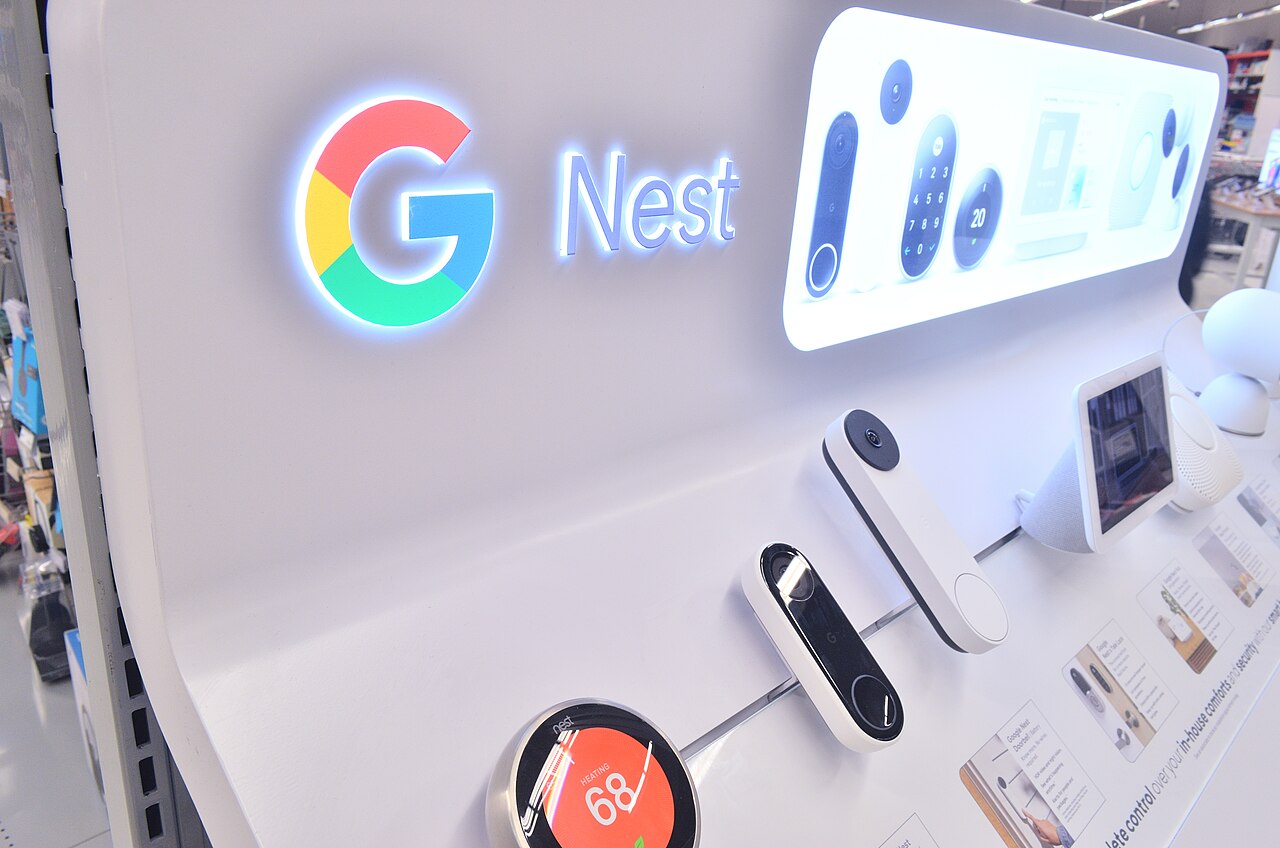
Google Nest app retirement is set for 2027, leaving many users concerned about the future of their smart home devices. This decision marks a significant shift in how Google manages its ecosystem.
What Does the Google Nest App Retirement Mean?
The recent announcement regarding the Google Nest app retirement has raised concerns among users who rely on the app for smart home management. This transition means that by 2027, users will no longer be able to access the Nest app, which has been a cornerstone for controlling various devices.
As the company shifts its focus toward a more integrated experience with Google Home, many are questioning the implications of this change. Some key points to consider include:
- Device Compatibility: The retirement may lead to compatibility issues for existing Nest devices.
- User Experience: Users might find the new interface of Google Home less intuitive than the Nest app.
- Feature Changes: Certain features available in the Nest app may not be replicated in the Google Home ecosystem.
Ultimately, the Google Nest app retirement could significantly impact how users interact with their smart home environments.
Timeline for Google Assistant Changes
The timeline for the Google Nest app retirement and subsequent changes to Google Assistant has raised concerns among users. Starting in 2024, Google plans to phase out features in the Nest app, leading to a complete retirement by 2027.
Key dates to note include:
- 2024: Introduction of updates that limit functionality in the Nest app.
- 2025: Gradual removal of support for existing devices, impacting user experience.
- 2026: Final updates will be rolled out, paving the way for the transition.
- 2027: Complete discontinuation of the Nest app and Google Assistant on affected devices.
This timeline has many questioning whether the Google Nest app retirement is indeed the worst move ever for loyal users of the platform.
User Reactions to Google’s Decision
As news of the Google Nest app retirement spreads, users are expressing a mix of frustration and concern. Many long-time Nest users feel abandoned by Google, citing the app’s ease of use and integration with smart home devices as significant advantages. They are particularly worried about the potential loss of functionality and the learning curve associated with new platforms.
Some users took to social media to voice their opinions, with reactions ranging from disappointment to outright anger. Common sentiments include:
- “Why fix what isn’t broken?” questioned a user on Twitter.
- “This feels like a step backward for smart home tech,” lamented another.
- “I rely on the Nest app daily; this is concerning,” remarked a long-time user.
With the Google Nest app retirement on the horizon, many are left wondering if this decision will ultimately hinder their smart home experiences.
Alternatives to Google Nest App
As the Google Nest app retirement approaches, users are left seeking alternatives to manage their smart home devices. Several options are available that can effectively replace the functionalities previously offered by the Nest app.
- Google Home: This is the most direct alternative, allowing users to control Nest devices along with a wide range of other smart gadgets.
- Amazon Alexa: With its extensive compatibility, Alexa can also manage Nest devices, providing voice control and automation features.
- Apple HomeKit: For Apple users, HomeKit offers a seamless way to integrate and control their Nest devices through iOS devices.
- SmartThings: Samsung’s SmartThings platform supports Nest devices and provides advanced automation capabilities.
While the Google Nest app retirement may create challenges, these alternatives can help users maintain control over their smart homes.
Impact on Smart Home Devices
The retirement of the Google Nest app is set to significantly impact smart home devices, particularly those that rely on the app for management and functionality. Users have expressed concerns about the seamless integration of their devices, which may be disrupted as they transition to new platforms.
Many smart home gadgets, such as security cameras, thermostats, and smart speakers, currently operate through the Nest app. Following the Google Nest app retirement, these devices may face challenges in connectivity and control. Additionally, the user experience could suffer as customers adapt to alternative solutions.
Experts suggest that the shift could lead to fragmentation in the smart home ecosystem, making it harder for users to manage multiple devices. As 2027 approaches, homeowners are urged to prepare for this significant change and consider their options in a post-Nest world.
Future of Google Assistant
The future of Google Assistant appears uncertain following the announcement of the Google Nest app retirement. As users transition to the new Google Home app, questions arise about the functionality and support for existing devices.
Many users have relied on Google Assistant for seamless control of their smart home devices. With the planned changes in 2027, it is crucial for Google to ensure that the Google Home app can deliver the same level of integration and ease of use.
In light of this transition, experts suggest that Google must focus on enhancing the capabilities of Google Assistant to retain user loyalty. The success of this shift largely depends on how effectively Google can address the concerns raised by users and provide them with a smooth transition from the Nest app.
As the retirement date approaches, consumers will be watching closely to see if these changes will enhance or hinder their smart home experience.
Conclusion: Navigating the Transition
As the Google Nest app retirement approaches, users face a significant transition in managing their smart home devices. While the decision may seem abrupt, it reflects the company’s shift towards integrating its services into a more streamlined experience. The retirement of the app and changes to Google Assistant on speakers and displays by 2027 have sparked mixed reactions among users. Many are concerned about potential disruptions, while others see it as an opportunity for improved functionality.
To navigate this transition effectively, users should familiarize themselves with alternative apps and systems that can integrate seamlessly with their existing devices. Staying informed about updates from Google will also help mitigate confusion during this period. Ultimately, only time will tell if the Google Nest app retirement is a wise move or a misstep for the tech giant, but users’ adaptability will play a crucial role in shaping the outcome.
via Wikimedia Commons