
 Ha Stone
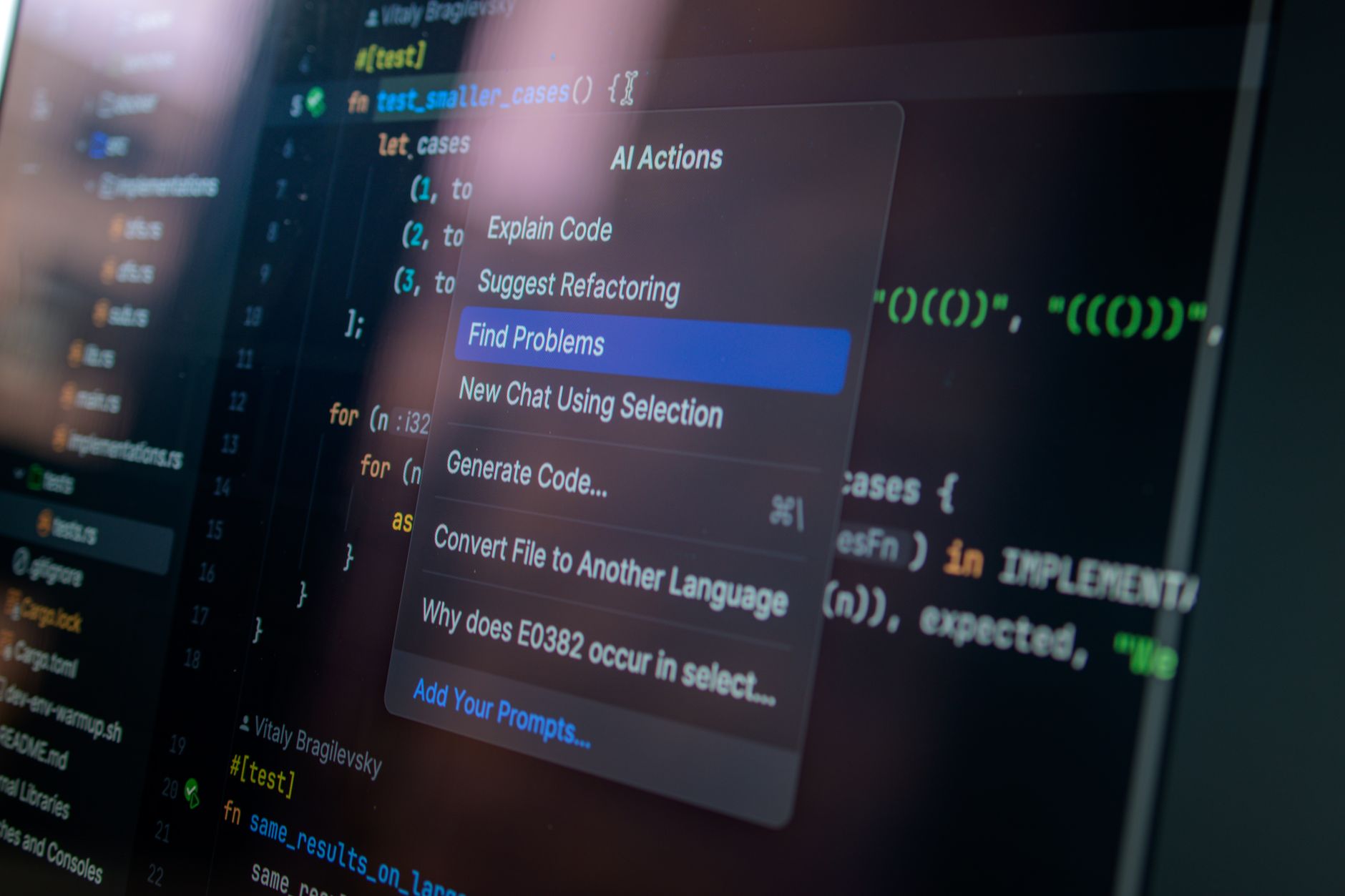
AI models for coding are transforming the landscape of technology jobs. As Microsoft challenges OpenAI and Anthropic, the future of coding and cybersecurity roles looks promising yet uncertain.
Understanding AI Models
AI models for coding are revolutionizing the way developers approach software creation and problem-solving. These advanced systems utilize machine learning algorithms to analyze vast amounts of code, enabling them to assist programmers in numerous ways.
One significant change is the improvement in code generation. AI models can now write boilerplate code, suggest snippets, and even debug existing code, allowing developers to focus on more complex tasks. This shift not only enhances productivity but also reduces the time to market for software applications.
Moreover, AI models for coding are becoming integral in cybersecurity. They can identify vulnerabilities and suggest remediation steps, helping organizations safeguard their digital assets. In this context, the role of cybersecurity professionals is evolving; they now work alongside AI to enhance their strategies and responses.
However, the rise of AI in coding also raises concerns about job displacement. While some traditional roles may diminish, new opportunities are emerging in AI oversight and model training. As the industry adapts, workers must upskill to remain competitive in this changing landscape.
Impact on Coding Jobs
The rise of AI models for coding is significantly reshaping the landscape of programming jobs. As these advanced models become more capable, they are streamlining various aspects of software development, leading to both opportunities and challenges for professionals in the field.
One of the most notable impacts is the enhancement of productivity. Developers can leverage AI tools to automate mundane tasks, such as debugging and code generation, allowing them to focus on more complex problem-solving and innovative projects. This shift may result in fewer entry-level positions, as companies seek efficiency and speed in their coding processes.
However, the demand for skilled programmers who can effectively collaborate with AI is growing. Professionals are encouraged to adapt by acquiring new skills in AI integration and management, ensuring they remain relevant in a technology-driven job market.
In addition, the emergence of specialized AI models is prompting a reevaluation of cybersecurity roles. With AI’s ability to predict and identify vulnerabilities, coding professionals must now work closely with these technologies to safeguard systems against evolving threats.
Changes in Cybersecurity Roles
The surge of AI models for coding has significantly influenced the landscape of cybersecurity roles. As organizations increasingly adopt these advanced technologies, traditional job descriptions are evolving to meet new demands.
Cybersecurity professionals are now expected to possess a unique blend of skills, integrating knowledge of both security protocols and AI-driven solutions. This shift is highlighted by several key changes:
- Enhanced Threat Detection: AI models are capable of analyzing large volumes of data in real-time, enabling quicker identification of potential threats and vulnerabilities.
- Automation of Routine Tasks: Many repetitive tasks, such as log analysis and incident response, are being automated, allowing cybersecurity professionals to focus on more complex challenges.
- Continuous Learning: The dynamic nature of AI requires cybersecurity experts to stay updated on the latest advancements, fostering a culture of continuous education and adaptability.
- Collaboration with Development Teams: There is an increasing need for cybersecurity professionals to work closely with coding teams, ensuring that security measures are integrated throughout the software development lifecycle.
As the integration of AI models for coding continues, the future of cybersecurity jobs will demand a more holistic approach to skill development.
Comparing AI Models
As the landscape of technology evolves, AI models for coding have emerged as pivotal tools that can enhance programming efficiency. Major players like Microsoft are developing specialized models that cater specifically to coding tasks, standing in competition with established entities like OpenAI and Anthropic.
These AI models can significantly streamline the development process by providing:
- Code generation: Automating repetitive coding tasks allows developers to focus on more complex problems.
- Bug detection: Advanced algorithms can identify errors in code more swiftly than traditional methods.
- Documentation assistance: AI can help in creating and maintaining documentation, ensuring that it remains up-to-date.
With the integration of these technologies, the nature of coding jobs is shifting. Developers are finding themselves taking on roles that emphasize collaboration with AI rather than purely manual coding. This evolution not only enhances productivity but also opens up new avenues for innovation in software development.
As organizations adopt AI models for coding, staying abreast of these changes will be crucial for professionals in the tech industry.
Future Job Market Trends
The future job market is poised for significant transformation as AI models for coding continue to evolve and integrate into various sectors. As companies adopt these advanced technologies, the demand for traditional coding roles may shift, creating opportunities for professionals to pivot into more specialized positions.
Several trends are emerging that will shape the landscape of employment in tech:
- Increased Collaboration: Professionals will need to work closely with AI systems, requiring a blend of coding skills and an understanding of machine learning.
- Focus on Human-AI Interaction: As AI models handle more routine coding tasks, there will be a greater emphasis on roles that involve user experience and interface design.
- Upskilling Requirements: Continuous learning will become essential, with a focus on understanding and managing AI models to enhance productivity.
- Emergence of New Roles: Positions such as AI trainers and data curators will be pivotal in optimizing the performance of AI systems.
As these trends unfold, adapting to the changing dynamics will be crucial for professionals in the tech industry.
Photo by Daniil Komov on Pexels
Where this came from
You might also like
Clair Obscur news: Worst parting with Sandfall – Honest Insights · AST SpaceMobile Launch Target: Worst Delay with Proven Insights · BSNL postpaid plan: The Best ₹199 Offer You Can’t Miss