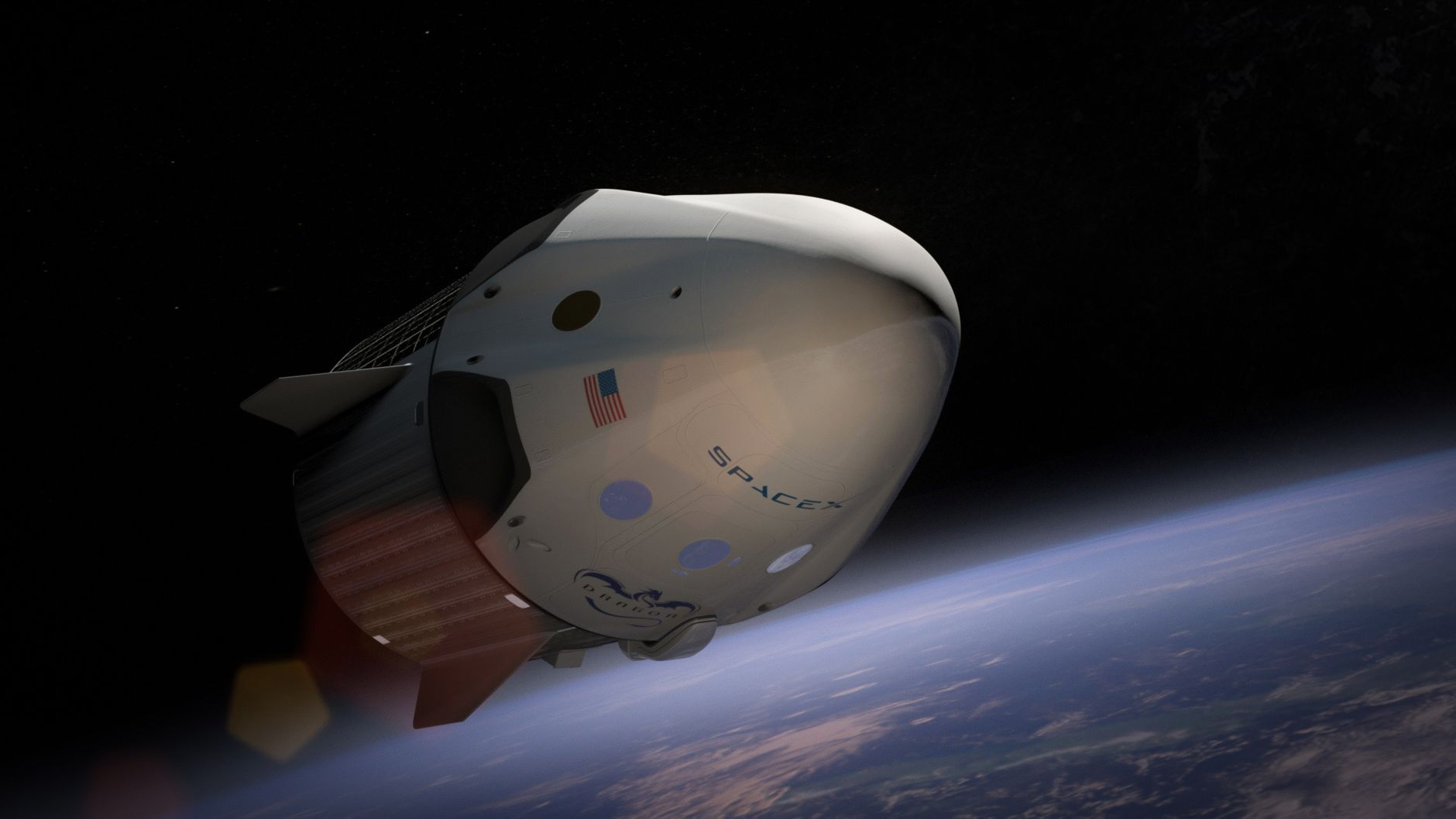
 Ha Stone

Starship Flight 15 has made headlines for its remarkable achievements in space. This mission showcases the incredible advancements in rocket technology and recovery.
Overview of Starship Flight 15
Starship Flight 15 marked a significant milestone in the evolution of space exploration, showcasing the impressive capabilities of SpaceX’s reusable rocket technology. During this flight, the company successfully executed a launch and recovery operation that set new standards for efficiency and innovation.
The mission involved the Starship vehicle lifting off from its launch pad, ascending through the atmosphere, and completing a series of maneuvers designed to test its systems. The launch was notable not only for its technical achievements but also for the dual recovery of its booster stages, which was a key objective of the mission.
Key highlights of Starship Flight 15 include:
- Successful Launch: The Starship vehicle took to the skies, demonstrating its powerful engines and aerodynamic design.
- Historic Catch: For the first time, the flight achieved two simultaneous catches, further validating SpaceX’s approach to reusability.
- Data Collection: The mission provided valuable data that will inform future flight iterations and enhancements.
Overall, Starship Flight 15 has been hailed as a pivotal step forward in the quest for sustainable space travel, reaffirming SpaceX’s position as a leader in the aerospace industry.
Key Achievements of the Mission
The recent Starship Flight 15 mission has marked a significant milestone in space exploration, showcasing several key achievements that highlight the advancements in rocket technology.
- Successful Launch: The mission successfully lifted off from the launch pad, demonstrating the reliability and power of the Starship system. This marked another step forward in its development as a reusable spacecraft.
- First Dual Catch: For the first time, the mission accomplished a dual catch of the booster stages. This innovative approach not only saves resources but also paves the way for more sustainable space travel.
- Data Collection: Valuable data was gathered throughout the flight, which will contribute to future missions. Engineers and scientists monitored various parameters to enhance the understanding of the spacecraft’s performance in different phases of the flight.
- Public Engagement: The spectacular launch drew significant attention from the public and media alike, fostering interest in space exploration and inspiring the next generation of scientists and engineers.
Overall, the achievements of Starship Flight 15 not only impress but also lay the groundwork for future advancements in space missions, ensuring a promising future for interstellar exploration.
What Makes This Launch Historic?
The recent Starship Flight 15 has been hailed as a groundbreaking event in the realm of space exploration. Several factors contribute to the historic nature of this launch, making it a milestone in the journey towards interplanetary travel.
First and foremost, the successful recovery of the rocket’s two main components marked a significant achievement. This was the first time that both the first stage booster and the spacecraft were caught in mid-air, showcasing advancements in technology and precision engineering. The implications of this success are profound, as it paves the way for future missions with reduced costs and increased sustainability.
Additionally, Starship Flight 15 demonstrated enhanced capabilities in terms of payload delivery and reusability. The mission not only delivered its intended cargo but did so with remarkable efficiency, setting a new standard for subsequent launches. The integration of innovative landing techniques is particularly noteworthy, as it allows for smoother returns and minimizes the risk of damage.
- Successful dual catches: A first in launch history.
- Increased reusability: Lowering costs for future missions.
- Advanced technology: Paving the way for interplanetary travel.
These achievements, along with the ambitious goals set for future flights, make Starship Flight 15 a landmark event in aerospace history.
The Technology Behind Starship
The recent Starship Flight 15 has showcased cutting-edge technology that pushes the boundaries of space exploration. The vehicle is equipped with advanced systems designed for both launch and recovery, marking a significant step forward in reusable rocket technology.
One of the standout features of the Starship is its innovative Raptor engine, which provides the necessary thrust for liftoff while being highly efficient. This engine is pivotal in achieving the required speed and altitude for successful missions. Additionally, the flight utilized a sophisticated navigation system that ensures precise trajectory control during ascent and descent.
Recovery operations for the flight demonstrate the remarkable engineering behind the Starship. The ability to capture the booster after launch is a crucial aspect of making space travel more sustainable. The design includes robust landing legs and grid fins that aid in stabilizing the rocket during its return to Earth.
Furthermore, the integration of sensors and telemetry systems allows for real-time data collection, which is instrumental in analyzing performance and enhancing future launches. With Starship Flight 15, SpaceX has not only proven its technology but has also paved the way for future missions that could revolutionize space travel.
Future Implications for Space Travel
The successful execution of Starship Flight 15 marks a significant milestone that could reshape the future of space travel. With its innovative launch and catch capabilities, this mission demonstrates the potential for reusability in space exploration, reducing costs, and increasing access to space.
As space agencies and private companies look to expand their reach beyond Earth, the implications of this flight are profound. The following points highlight the potential impact:
- Cost Efficiency: The reusability of spacecraft can drastically lower the financial barriers associated with space missions, making it feasible for more entities to participate in space exploration.
- Increased Launch Frequency: With successful catch operations, the turnaround time for spacecraft can shorten, allowing for more frequent missions and scientific research opportunities.
- Technological Advancements: Innovations developed for Starship Flight 15 may lead to new technologies that can be applied in other areas of aerospace engineering.
- Inspiration for Future Generations: Successful missions like this can inspire young scientists and engineers to pursue careers in aerospace, fostering a new generation of innovators.
Overall, the outcomes of Starship Flight 15 could pave the way for a new era in space exploration, making it more accessible and sustainable for future endeavors.
Expert Opinions on the Launch
Experts in the aerospace industry have weighed in on the significance of Starship Flight 15, emphasizing its remarkable achievements and potential impact on future space missions. Many believe this launch marks a pivotal moment for SpaceX and interplanetary travel.
- Dr. Emily Carter, a noted aerospace engineer, stated, “Starship Flight 15 demonstrated not only the capabilities of the spacecraft but also the advanced technology behind its recovery systems. The two successful catches are a testament to the meticulous engineering that went into this mission.”
- Professor John Reynolds, a space policy analyst, remarked, “The implications of this launch could reshape our approach to space exploration. If we can achieve reliable reusability through missions like Starship Flight 15, we will significantly reduce costs and increase the frequency of missions.”
- Lisa Tran, a former NASA astronaut, emphasized the collaborative effort behind the mission: “This is a milestone not just for SpaceX but for the entire space community. It highlights what can be achieved when innovative minds come together.”
These insights underscore the transformative potential of Starship Flight 15, as experts agree that its success may lay the groundwork for ambitious future endeavors in space exploration.
Starship Flight 15: A Closer Look
Starship Flight 15 stands out as a landmark event in modern aerospace history, showcasing both the resilience of engineering and the potential for future space exploration. This mission, which took place on a clear afternoon, was marked by its remarkable ability to demonstrate the effectiveness of the launch and catch system developed by SpaceX.
Throughout the mission, several key aspects contributed to its success:
- Innovative Design: The aerodynamic structure of the Starship enables it to withstand the intense pressures of launch and re-entry.
- Precision Maneuvers: The launch and catch sequence relied on advanced navigation systems that ensured accurate landings of both the booster and the spacecraft.
- Data Collection: During the flight, invaluable data was gathered that will inform future missions and enhance the safety and efficiency of space travel.
- Collaboration: The mission was a result of extensive teamwork among engineers, scientists, and technicians who worked tirelessly to innovate and refine the technology.
As the dust settles on Starship Flight 15, the implications of its success resonate throughout the aerospace community, paving the way for more ambitious missions and the eventual goal of interplanetary travel.
Challenges Faced During the Flight
During the historic Starship Flight 15, several challenges emerged that tested the limits of the spacecraft and its systems. Despite the mission’s overall success, these obstacles highlighted the complexities involved in modern space travel.
- Launch Pad Delays: Technical issues at the launch pad led to several delays in the countdown. Engineers worked tirelessly to resolve these problems, ensuring that all systems were operational before liftoff.
- Weather Conditions: Unpredictable weather patterns posed a significant challenge, with high winds threatening to impede the launch. Ground teams monitored conditions closely, making real-time decisions to ensure safety.
- In-Flight Anomalies: Once in the air, the Starship encountered minor anomalies that required rapid adjustments. The crew’s swift response was crucial in maintaining the integrity of the flight path.
- Landing Complexities: The dual landing system used for the catches presented its own set of issues. Coordinating the timing and precision required for a successful catch was no small feat, especially under dynamic conditions.
These challenges underscored the innovative engineering behind Starship Flight 15, reinforcing the mission’s significance in paving the way for future space exploration endeavors.
Photo by Ocean Camera Space Corp. on Pexels